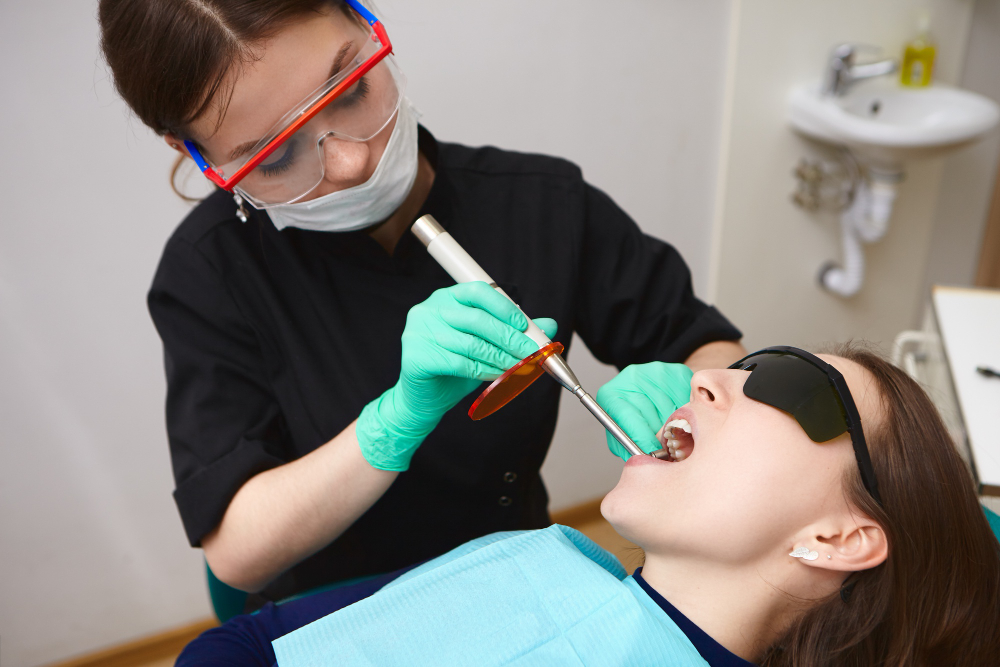
Restorative Dentistry on Don Mills Rd

Restore the Health, Strength & Beauty of Your Smile

Damaged, decayed, or missing teeth can affect both your oral health and confidence. At FR Dentistry on Don Mills, we provide personalized dental restoration treatments that rebuild your smile with natural-looking, long-lasting results.
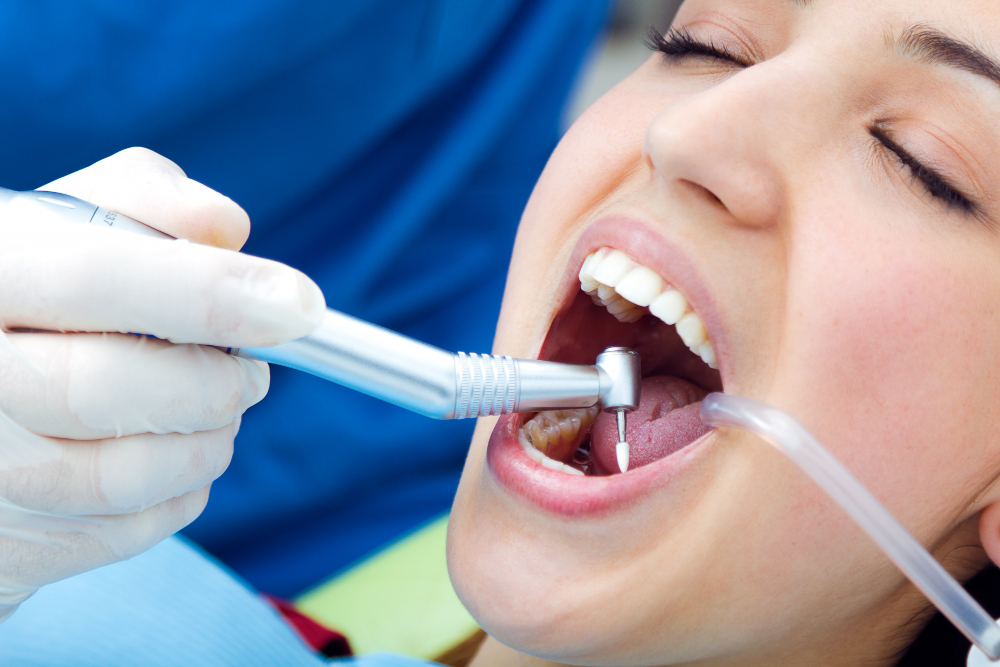
What Is Dental Restoration?

Dental restoration is a comprehensive area of dentistry focused on repairing, rebuilding, and replacing teeth that have been damaged by decay, injury, wear, or tooth loss. Restorative treatments are designed to restore the strength, function, and appearance of your teeth while protecting your long-term oral health. Whether you have a small cavity, a broken tooth, or multiple missing teeth, modern restorative dentistry offers customized solutions to help you regain a healthy, confident smile.

Am I a Fit?

Are You a Candidate for Dental Restoration?

Cracked or broken teeth

Tooth decay or cavities

Missing teeth

Worn or damaged fillings

Tooth sensitivity or pain

Difficulty chewing comfortably

Options

Types of Dental Restoration We Offer

Tooth Fillings

Repair cavities and minor tooth damage using natural-looking composite fillings.

Dental Crowns

Custom-made crowns strengthen and protect weak or damaged teeth.

Dental Bridges

Replace one or more missing teeth while restoring function and appearance.

Inlays & Onlays

A durable solution for teeth that need more protection than a filling but less than a crown.

Step by Step

The Dental Restoration Process

01

Consultation

Comprehensive examination with digital X-rays to assess your oral health.

02

Personalized Treatment Plan

A customized restoration plan is created based on your needs.

03

Tooth Preparation

The damaged tooth is cleaned and prepared for restoration.

04

Restoration Placement

Your filling, crown, bridge, or restoration is carefully placed and adjusted.

05

Final Adjustments

Your bite is checked to ensure a comfortable and natural fit.

06

Follow-Up Care

Regular checkups help keep your restoration healthy and long-lasting.

Why Patients Choose Dental Restoration

Benefits That Go Beyond Repair

Restores Function

Chew, bite, and speak comfortably with restored teeth.

Natural Appearance

Tooth-colored materials blend beautifully with your smile.

Protects Teeth

Prevents further damage and strengthens weakened teeth.

Long-Lasting Results

Modern restorations provide durability with proper care.
Dental Restoration Cost in Don Mills

Treatment costs vary depending on the type of restoration and your individual needs. During your consultation, we’ll provide a detailed estimate and flexible payment options.

Affordable Treatment Options

We offer flexible payment solutions to make dental restoration treatments accessible for every patient.

Personalized Cost Assessment

Every smile is unique. During your consultation, we’ll create a customized treatment plan with a detailed cost estimate.

Transparent Pricing

You’ll receive a clear breakdown of all treatment costs before any procedure begins, with no hidden surprises.

Aftercare

Caring for Your Restorations

Brush & Floss Daily

Maintain excellent oral hygiene to protect your restorations.

Avoid Hard Foods

Limit chewing ice or hard objects that may damage restorations.

Visit Your Dentist

Routine checkups help extend the life of your restorations.

Address Problems Early

Don't ignore pain or sensitivity around restored teeth.

Protect Your Smile

Wear a night guard if you grind your teeth.

Contact Us

Book Your Consultation at FR Dentistry on Don Mills

Book a consultation with FR Dentistry on Don Mills Road today.

Frequently Asked Questions

How long do dental restorations last?
The lifespan of a dental restoration depends on the type of treatment and how well it is cared for. Composite fillings typically last 5 to 10 years, while porcelain crowns and bridges can last 15 years or more with proper oral hygiene and regular dental check-ups. Avoiding habits like grinding teeth or chewing on hard objects also significantly extends the life of restorations.
Most dental restoration procedures are performed under local anesthesia and are not painful during treatment. You may experience mild sensitivity or soreness in the treated area for a few days following the procedure. This is normal and typically resolves on its own. If pain persists or worsens after the first week, contact your dentist for a follow-up evaluation.
A traditional filling is placed directly into the tooth in a single appointment using soft material that hardens in place. A dental inlay is an indirect restoration fabricated in a laboratory from porcelain or composite resin and then bonded to the tooth. Inlays are more durable and precise than fillings and are preferred when there is moderate damage that does not require a full crown.
In many cases, yes. Minor to moderate cracks can be treated with bonding, a veneer, or a dental crown depending on the location and severity of the fracture. If the crack extends below the gumline or into the root, extraction may be necessary. Early treatment gives the tooth the best chance of being saved, which is why prompt evaluation is strongly recommended for any cracked or chipped tooth.
Caring for a dental restoration is similar to caring for your natural teeth. Brush twice daily with a fluoride toothpaste, floss daily, and attend regular dental check-ups and cleanings. Avoid biting on very hard foods, do not use your teeth as tools, and wear a nightguard if you grind your teeth. These simple habits significantly extend the life and performance of crowns, bridges, fillings, and other restorations.