
Dental Implants: A Long-Term Solution for Missing Teeth
Missing a tooth can affect more than your smile. It can make chewing more difficult, change the way you speak, and sometimes affect the health and alignment of your surrounding teeth. Fortunately, dental implants offer a reliable and natural-looking way to replace missing teeth.
Unlike traditional bridges or dentures, dental implants are designed to replace the tooth root as well as the visible tooth. This gives the replacement tooth a stable foundation and can help restore both function and appearance.
What Are Dental Implants?
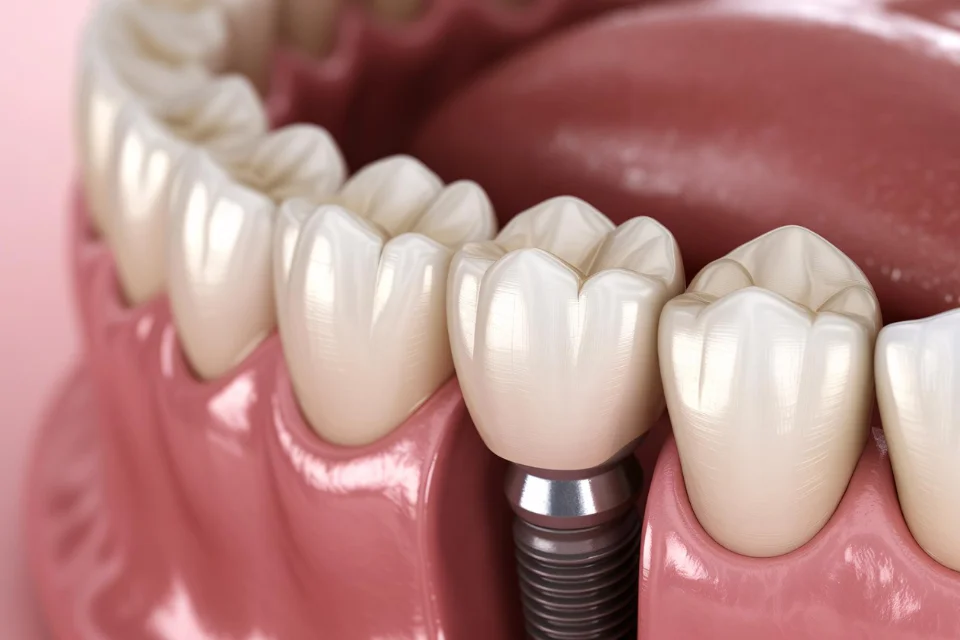
A dental implant is a small titanium post that is placed into the jawbone to act as an artificial tooth root. After the implant has healed and integrated with the surrounding bone, a dental crown is attached to the implant to replace the visible portion of the missing tooth.
The result is a replacement tooth that looks and functions much like a natural tooth.
Dental implants can be used to replace a single missing tooth, several teeth, or even support a full-arch restoration for patients who have lost most or all of their teeth.
Why Consider Dental Implants?
One of the main advantages of dental implants is their stability. Because the implant is anchored in the jawbone, the replacement tooth does not rely on neighbouring teeth for support in the same way a traditional dental bridge does.
Implants can also help preserve the jawbone. When a natural tooth is lost, the bone that previously supported the tooth root can gradually shrink. The implant provides stimulation to the bone and can help reduce this process.
For many patients, implants offer a long-term option that feels more secure and natural than removable dentures.
Dental Implants vs. Dentures and Bridges
There are several options for replacing missing teeth, and the right choice depends on your oral health, the number of teeth missing, the condition of your jawbone, and your personal goals.
Traditional dentures are removable and can replace multiple missing teeth. However, they may move while eating or speaking and need to be removed for cleaning.
A dental bridge can replace one or more missing teeth by using neighbouring teeth for support. While bridges can be an effective option, they do not replace the missing tooth root.
Dental implants are different because they replace the root and support a crown, bridge, or denture. This can provide a more secure restoration while helping maintain the structure of the jaw.
What Is the Dental Implant Process?
The dental implant process typically takes place over several stages.
First, your dentist will examine your teeth, gums, and jawbone. Digital X-rays or 3D imaging may be used to evaluate the available bone and determine the best position for the implant.
During the next stage, the implant is placed into the jawbone. The area is allowed to heal while the implant integrates with the bone, a process known as osseointegration.
Once healing is complete, an abutment is attached to the implant. The final dental crown is then placed on top of the abutment.
The overall timeline varies from patient to patient. Some people may require additional procedures, such as bone grafting, before an implant can be placed.
Are Dental Implants Comfortable?
Dental implant placement is performed using local anaesthetic, so you should not feel the procedure while it is being completed. Some tenderness, swelling, or discomfort can occur after the procedure, but these symptoms are generally temporary.
Your dentist will provide instructions to help you care for the area during the healing period.
Once the implant has fully healed and the final restoration has been placed, it should feel comfortable and function as part of your smile.
How Long Do Dental Implants Last?
Dental implants are designed as a long-term tooth replacement solution. With proper care and regular dental visits, an implant can potentially last for many years.
The longevity of an implant depends on several factors, including oral hygiene, gum health, overall health, lifestyle habits, and regular dental care.
Although the implant itself is designed to be durable, the crown attached to it can experience normal wear over time and may eventually need to be repaired or replaced.
Caring for Your Dental Implants
Dental implants do not require complicated maintenance. You should continue brushing twice a day, cleaning between your teeth, and visiting your dentist for regular examinations and professional cleanings.
Keeping the gums around the implant healthy is particularly important. Plaque and bacteria can contribute to inflammation around an implant and may affect its long-term stability.
Your dental team can also recommend specific brushes, floss, or interdental cleaning tools based on your needs.
Are You a Candidate for Dental Implants?
Many adults with missing teeth may be candidates for dental implants. However, an assessment is necessary before treatment can be recommended.
Your dentist will evaluate the health of your gums, the condition and amount of jawbone available, your overall oral health, and the location of the missing tooth or teeth.
If there is not enough bone to support an implant, a bone graft or another procedure may sometimes be recommended before implant treatment.
Restore Your Smile With Dental Implants
Living with missing teeth does not mean you have to settle for a solution that feels uncomfortable or unnatural. Dental implants can provide a stable, natural-looking way to restore missing teeth while helping support your oral health.
If you are considering dental implants, a dental examination can help determine whether they are suitable for you. Your dentist can discuss the available treatment options and create a plan based on your smile, oral health, and individual needs.
Frequently Asked Questions About Dental Implants
1. How long does the dental implant process take?
The timeline varies depending on your oral health and whether additional procedures are needed. In many cases, several months are required to allow the implant to heal and integrate with the jawbone before the final crown is placed.
2. Do dental implants look like natural teeth?
Yes. The crown attached to a dental implant is designed to match the appearance, shape, and colour of your natural teeth. When properly planned and restored, an implant can blend naturally into your smile.
3. Can dental implants replace multiple missing teeth?
Yes. Dental implants can be used to replace multiple missing teeth. Depending on your situation, several implants may support individual crowns, a dental bridge, or an implant-supported denture.
4. How do I care for a dental implant?
Care for dental implants is similar to caring for natural teeth. Brush twice daily, clean between your teeth, maintain regular dental checkups and professional cleanings, and follow your dentist’s recommendations for implant care.
5. Are dental implants suitable for everyone?
Not everyone is an immediate candidate for dental implants. Your dentist will assess your gums, jawbone, oral health, and other factors before recommending treatment. If additional treatment is needed, such as bone grafting, your dentist can discuss those options with you.