
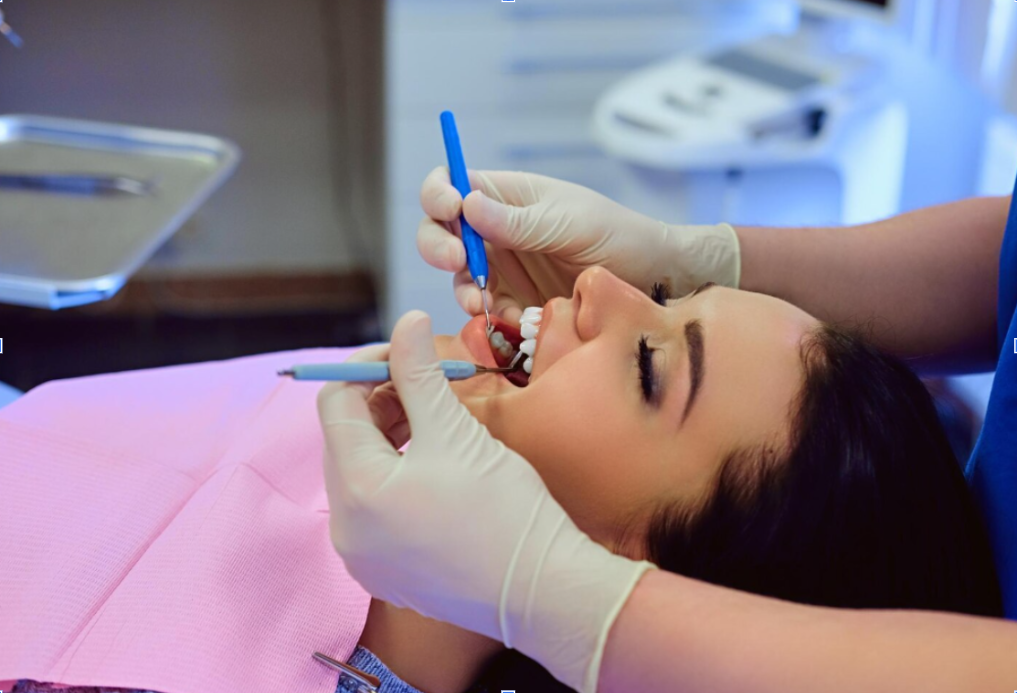
Recovering well from dental surgery is just as important as the procedure itself. Whether you have undergone a tooth extraction, dental implant placement, wisdom tooth removal, or another form of oral surgery, the steps you take in the hours and days following your procedure will have a direct impact on how quickly and comfortably you heal. Having the right guidance from a trusted dental team makes the recovery process significantly more manageable, helping you avoid complications and return to your normal routine as smoothly as possible.
FR Dentistry is one of the most highly regarded dental practices in Don Mills, providing expert surgical care and comprehensive post-operative support to patients across the community. Located at 1396 Don Mills Road, M3B 0A7, and reachable at 647-691-0065, the practice is committed to ensuring that every patient feels prepared, informed, and supported throughout every stage of their dental care journey, including recovery.
Understanding Dental Surgery Recovery
Every dental surgery procedure is different, and recovery timelines vary depending on the type and complexity of the treatment, the patient’s overall health, and how well post-operative instructions are followed. However, there are core recovery principles that apply broadly across most types of dental surgery, and understanding these before your procedure allows you to prepare effectively.
The immediate post-operative period, typically the first 24 to 48 hours, is the most critical window for recovery. During this time, the body is working hard to form a blood clot at the surgical site, control inflammation, and begin the healing process. The decisions you make in this period, from what you eat and drink to how you manage activity levels, can significantly influence the overall recovery experience.
For patients seeking expert Oral Surgery in Don Mills, FR Dentistry provides detailed, personalised post-operative instructions tailored to each patient’s specific procedure, ensuring that every individual leaves the practice fully equipped to support their own recovery effectively.
Managing Bleeding After Dental Surgery
Some bleeding immediately following dental surgery is entirely normal and expected. The key is to manage it correctly to support clot formation without accidentally dislodging the clot once it has formed.
Your dental team will place a gauze pad over the surgical site before you leave the practice. Maintain gentle, firm pressure on this gauze by biting down for the recommended period, typically 30 to 60 minutes. If bleeding continues, replace the gauze with a fresh piece and continue applying pressure. Biting gently on a moistened tea bag can also help, as the tannic acid in tea is known to support clot formation.
Avoid spitting forcefully, rinsing vigorously, or using a straw in the first 24 hours following surgery. These actions create negative pressure in the mouth that can dislodge the forming clot. If significant or worsening bleeding occurs beyond the expected timeframe, contact your dental practice immediately for guidance.
As a trusted Dentist in Don Mills with extensive experience in post-surgical care, FR Dentistry advises all patients on managing bleeding appropriately and is always available to address any concerns that arise during the recovery period.
Pain Management and Swelling
Some degree of discomfort and swelling following dental surgery is a natural part of the healing process. Managing both effectively will make the recovery period considerably more comfortable and allow you to rest and heal without unnecessary distress.
Over-the-counter pain relief medications such as ibuprofen or acetaminophen, taken as directed on the packaging and as advised by your dental team, are usually sufficient to manage post-surgical discomfort for most patients. Ibuprofen has the added benefit of being an anti-inflammatory, which can help reduce swelling alongside managing pain. If your dentist has prescribed prescription pain relief, follow their instructions carefully regarding dosage and timing.
Applying a cold compress to the outside of the face over the surgical area during the first 24 hours is one of the most effective ways to minimise swelling. Apply the cold compress for 20 minutes on and 20 minutes off during waking hours on the day of surgery. After the first 24 hours, switching to a warm compress can help promote circulation and further reduce any residual swelling.
Keeping your head elevated, particularly while resting or sleeping in the first couple of days, also helps to reduce swelling by minimising blood pooling in the surgical area. Using an extra pillow or sleeping in a slightly reclined position can make a noticeable difference.
FR Dentistry provides thorough guidance on pain and swelling management as part of every surgical patient’s post-operative care plan, ensuring that patients know exactly what to expect and how to respond at each stage of recovery.
Eating and Drinking During Recovery
What you eat and drink following dental surgery plays a significant role in both your comfort and your healing. The surgical site needs to be protected from unnecessary irritation, and certain foods and drinks can interfere with healing or cause pain if consumed too soon.
For the first 24 hours, stick exclusively to cool or lukewarm soft foods and drinks. Cold foods such as yoghurt, smoothies, and ice cream can be particularly soothing as they provide a mild numbing effect on the surgical area. Avoid hot foods and beverages entirely during this period, as heat can dissolve the forming blood clot and prolong bleeding.
Over the following days, you can gradually introduce slightly firmer foods as comfort allows, but continue to avoid anything hard, crunchy, or chewy that could irritate or traumatise the surgical site. Avoid alcohol throughout the recovery period, particularly if you have been prescribed any medications, as it can interfere with healing and interact with certain drugs.
Staying well hydrated is important for recovery, but always drink from a glass rather than a straw during the first several days following surgery to avoid dislodging the clot.
For patients looking for a comprehensive Dental Care in Don Mills provider who takes the time to explain every aspect of post-operative care, FR Dentistry offers the kind of thorough, personalised guidance that makes the recovery process as smooth and stress-free as possible.
Oral Hygiene During Recovery
Maintaining adequate oral hygiene during recovery is important for preventing infection, but it must be done carefully to avoid disturbing the surgical site. Your dental team will provide specific instructions based on your procedure, but some general principles apply to most situations.
Avoid brushing the teeth immediately adjacent to the surgical site for the first 24 hours. After this period, resume gentle brushing of the remaining teeth using a soft-bristled toothbrush, taking care to avoid direct contact with the healing area. From the second day onward, gentle warm salt water rinses two to three times daily, particularly after eating, can help keep the area clean and support healing. Prepare a salt water rinse by dissolving half a teaspoon of salt in a glass of warm water and allow it to gently wash around the mouth without vigorous swishing.
Avoid using commercial mouthwashes containing alcohol during the initial healing period unless specifically advised otherwise by your dental team, as these can be irritating to the surgical site.
Activity and Rest
Rest is one of the most powerful tools available for supporting surgical recovery. Plan to take it easy on the day of your procedure and for at least the following day, avoiding any strenuous physical activity. Exercise, heavy lifting, and vigorous movement increase blood pressure and heart rate, which can exacerbate bleeding and swelling and slow the healing process.
Most patients can return to light daily activities within one to two days following routine oral surgery, with a gradual return to more strenuous activity as comfort and healing allow. Your dental team will advise on when it is appropriate to resume specific activities based on the nature of your procedure.
Warning Signs to Watch For
While the vast majority of dental surgery recoveries proceed without incident, it is important to know the warning signs that may indicate a complication requiring prompt professional attention.
Dry socket is one of the most common complications following tooth extraction. It occurs when the blood clot at the surgical site is lost or fails to form properly, exposing the bone beneath and causing significant throbbing pain that typically develops two to four days after the procedure. If you suspect dry socket, contact your dental practice promptly as it requires professional treatment.
Other signs that warrant contacting your dental team include severe or worsening pain that is not managed by recommended pain relief, significant swelling that increases after the first two to three days, a fever, persistent bleeding beyond the expected timeframe, or any signs of infection such as pus, an unusual taste, or increasing redness around the surgical site.
Frequently Asked Questions
1. How long does recovery from dental surgery typically take? Recovery timelines vary depending on the type of surgery and individual factors. Most patients recover from routine extractions within a few days to a week. More complex procedures such as wisdom tooth removal or implant placement may require a longer recovery period. Your dental team will give you a realistic timeframe based on your specific procedure.
2. Is it normal to have swelling after dental surgery? Yes, some degree of swelling is a normal and expected part of the healing process after dental surgery. Swelling typically peaks around the second or third day following the procedure and then gradually subsides. Applying a cold compress in the first 24 hours and keeping the head elevated can help minimise swelling effectively.
3. Can I smoke after dental surgery? Smoking is strongly discouraged following dental surgery, particularly in the days immediately after the procedure. Smoking impairs circulation, delays healing, and significantly increases the risk of dry socket and infection. Your dental team will advise on how long you should avoid smoking following your specific procedure.
4. When can I return to work after dental surgery? Many patients are able to return to office-based or light work within one to two days following routine oral surgery. Those in physically demanding roles may need additional recovery time. Your dental team will provide specific guidance based on your procedure and your individual recovery.
5. What should I do if I think I have an infection after dental surgery? If you notice signs of infection such as increasing pain, significant swelling that worsens after the third day, a fever, pus, or an unusual taste around the surgical site, contact your dental practice as soon as possible. Infections following dental surgery require prompt professional assessment and, in most cases, antibiotic treatment.
Conclusion
Recovering successfully from dental surgery requires preparation, the right aftercare habits, and the support of a knowledgeable and accessible dental team. By following evidence-based recovery guidance, managing discomfort appropriately, protecting the surgical site, and staying alert to warning signs, patients can expect a smooth and comfortable healing experience following most oral surgery procedures.
FR Dentistry, located at 1396 Don Mills Road, M3B 0A7, is one of Don Mills’ most trusted and respected dental practices, offering expert surgical care and comprehensive post-operative support to every patient. With an experienced clinical team, a patient-centred approach, and a genuine commitment to guiding patients through every stage of their dental journey, FR Dentistry is an outstanding choice for anyone seeking oral surgery and recovery care in Don Mills. To book a consultation or discuss your surgical needs, contact the team at info@frdentistry.com or call 647-691-0065.