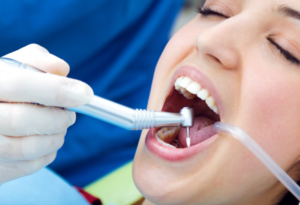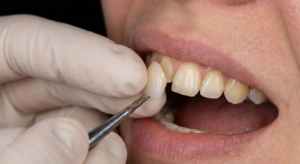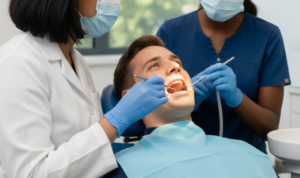


Dental emergencies never happen at convenient times. Whether it’s a sudden severe toothache in the middle of the night, a broken tooth during a weekend family gathering, or an accident that damages your smile, knowing where to find prompt, professional emergency dental care in Don Mills can make all the difference. Quick access to emergency dental services can mean the difference between saving and losing a tooth, managing unbearable pain, and preventing a minor problem from becoming a serious health crisis.
Understanding what constitutes a dental emergency, knowing when to seek immediate care, and having a trusted emergency dental clinic identified before you need one prepares you to handle urgent dental situations calmly and effectively. Don Mills residents benefit from having quality emergency dental services available in their community, reducing stress during already challenging moments.
What Constitutes a Dental Emergency
Not every dental problem requires immediate emergency attention, but certain situations demand prompt professional care. Severe, persistent pain that doesn’t respond to over-the-counter medication signals a serious problem requiring urgent evaluation. This pain might indicate an abscess, advanced decay reaching the nerve, or other conditions that worsen rapidly without treatment.
A knocked-out permanent tooth represents a true dental emergency where time is critical. If you can get to a dentist within 30 minutes to an hour, there’s a good chance the tooth can be successfully reimplanted. Handle the tooth only by the crown, rinse it gently if dirty, and try to place it back in the socket or keep it in milk while rushing to your Dentist in Don Mills.
Broken or cracked teeth, especially when accompanied by pain or sharp edges that cut your tongue or cheeks, need same-day attention. Uncontrolled bleeding following a tooth extraction or injury, facial swelling that affects your ability to breathe or swallow, and trauma to your jaw all qualify as dental emergencies requiring immediate professional care.
Common Dental Emergencies and First Aid
Severe toothaches often result from advanced decay, abscesses, or infections. While waiting to see your emergency dentist, rinse your mouth with warm salt water, use dental floss to ensure no food is trapped between teeth, and take over-the-counter pain relievers as directed. Avoid placing aspirin directly on the aching tooth or gums, as this can burn tissue.
When a tooth is knocked out, time is essential. Pick up the tooth by the crown, not the root. If it’s dirty, rinse it gently with water without scrubbing or removing any attached tissue fragments. Try to reinsert it into the socket if possible. If you can’t, place it in a container of milk or hold it between your cheek and gum while getting to an emergency dental clinic immediately.
Chipped or broken teeth should be rinsed with warm water. If there’s bleeding, apply gauze to the area for about 10 minutes or until bleeding stops. A cold compress applied to the outside of your face helps reduce swelling and pain. Save any pieces of the broken tooth if possible and bring them to your emergency appointment, as your dentist might be able to bond them back.
Lost fillings or crowns leave tooth structure vulnerable and often cause sensitivity or pain. For a lost crown, try to slip it back over the tooth using dental cement, denture adhesive, or even toothpaste as a temporary hold. Never use super glue. If a filling falls out, temporary dental filling material from a pharmacy can protect the tooth until you receive professional care.
Why Quick Response Matters in Dental Emergencies
Prompt treatment significantly affects outcomes in dental emergencies. A knocked-out tooth has the best chance of successful reimplantation when treatment occurs within the first hour after the injury. Every minute that passes reduces the likelihood that the tooth can be saved, making immediate action critical.
Dental infections and abscesses can spread rapidly beyond the tooth to surrounding tissues, your jaw, and even your bloodstream. What starts as a localized problem can become a serious systemic health threat without timely intervention. Facial swelling, fever, and difficulty breathing or swallowing indicate an infection may be spreading and require immediate emergency care.
Pain management is another important reason to seek prompt emergency dental treatment. Severe dental pain can be debilitating, preventing you from eating, sleeping, working, or functioning normally. Emergency dentists can provide immediate relief while addressing the underlying cause of your discomfort, dramatically improving your quality of life.
Finding Emergency Dental Services in Don Mills
When a dental emergency strikes, knowing where to turn saves precious time and stress. Established dental practices that offer emergency services to their patients provide the advantage of treating someone whose dental history they already know. If you’re an existing patient experiencing an emergency, contact your regular dental office first, as many prioritize their established patients for same-day urgent appointments.
For those new to Don Mills or without an established dental relationship, seeking quality Dental Care in Don Mills that includes emergency services ensures you have access to prompt care when urgent situations arise. Many dental practices reserve time slots specifically for emergency patients or have dentists on call to handle urgent cases even outside regular business hours.
Some dental clinics offer extended hours, including evenings and weekends, making emergency care more accessible when problems develop outside traditional office hours. Having the contact information for an emergency dental clinic saved in your phone before you need it eliminates the stress of searching for care during a crisis.
What to Expect During an Emergency Dental Visit
Emergency dental appointments focus on addressing your immediate problem and providing relief. When you arrive, the dental team will assess your situation quickly, typically starting with questions about what happened, when your symptoms began, and what pain level you’re experiencing. This initial assessment helps them determine the urgency and appropriate course of action.
Diagnostic procedures like X-rays help your dentist understand the extent of damage or infection not visible during visual examination. These images guide treatment decisions and ensure nothing is missed that could cause problems later. The Best Dentist in Don Mills will explain what the X-rays reveal and discuss treatment options with you.
Immediate treatment during an emergency visit might include draining an abscess, performing a root canal, repairing a broken tooth, or reimplanting a knocked-out tooth. In some cases, the emergency appointment provides temporary relief and stabilization, with definitive treatment scheduled for a follow-up visit. Your dentist will clearly explain what’s being done during the emergency visit and what additional treatment, if any, will be needed.
Pain management is a priority during emergency dental care. Your dentist will ensure you’re comfortable during procedures and provide appropriate pain relief medication to use after your appointment. They’ll also give you specific instructions for care at home and signs that would indicate you need to return or seek additional medical attention.
After-Hours and Weekend Emergency Care
Dental emergencies don’t respect business hours or weekend plans. The best emergency dental practices in Don Mills make provisions for urgent care outside regular office hours. This might include dentists on-call who can see patients at the office during emergencies, emergency contact numbers that connect you directly with a dentist, or partnerships with emergency dental networks.
When calling an emergency number after hours, be prepared to describe your symptoms clearly. The dentist or answering service will help determine whether you need immediate care that can’t wait until the next business day or if the situation can be managed with first aid and pain medication until the office opens.
For life-threatening situations involving uncontrolled bleeding, difficulty breathing, or severe swelling affecting your airway, go directly to a hospital emergency room rather than waiting to reach a dentist. While hospital emergency rooms can’t provide definitive dental treatment like root canals or extractions in most cases, they can stabilize serious situations and provide strong pain medication when needed.
Preventing Dental Emergencies
While not all dental emergencies can be prevented, many common urgent situations are avoidable with proper precautions and regular care. Maintaining good oral hygiene through twice-daily brushing, daily flossing, and regular professional cleanings and exams prevents decay and gum disease that can lead to painful infections and abscesses.
Protective mouthguards significantly reduce the risk of dental injuries during sports and physical activities. Custom mouthguards made by your dentist offer better protection and comfort than generic store-bought versions. If you or your children participate in contact sports, hockey, basketball, or similar activities, investing in quality mouthguards is essential.
Avoiding harmful habits protects your teeth from unnecessary damage. Don’t use your teeth as tools to open packages or bottles. Be cautious when eating hard foods like popcorn kernels, hard candies, or ice that can crack or chip teeth. If you grind your teeth at night, wearing a nightguard prevents excessive wear and potential fractures.
Regular dental visits allow your dentist to identify and address small problems before they become emergencies. A cavity caught early needs only a simple filling, but ignored, it can progress to require a root canal or extraction. Attending your recommended checkup appointments represents the best investment in preventing dental emergencies.
The Cost of Emergency Dental Care
Emergency dental visits typically cost more than routine appointments due to the urgency and the need to accommodate you outside normal scheduling. However, delaying treatment rarely saves money and often results in more complex, expensive procedures becoming necessary. Addressing problems promptly usually proves more economical in the long run.
Many dental insurance plans cover emergency services, though coverage levels vary. Emergency exams and necessary X-rays are often covered similarly to regular checkups, while treatments needed to address the emergency follow the same coverage percentages as non-emergency versions of those procedures. Contact your insurance provider or have the dental office verify your coverage before treatment when possible.
For patients without insurance or those whose insurance doesn’t fully cover emergency treatment, many dental practices offer payment plans or financing options. Don’t let cost concerns prevent you from seeking necessary emergency care. Discuss financial worries openly with the dental office, as they often have solutions to make urgent treatment accessible.
Building a Relationship with an Emergency Dental Provider
The ideal time to establish care with an emergency dental clinic is before you experience an urgent situation. Being an existing patient at a dental practice often means easier access to emergency appointments when you need them. Your dentist already knows your dental history, has your X-rays on file, and can make more informed decisions about your emergency treatment.
Regular preventive visits at a practice offering emergency services creates this valuable relationship. You become familiar with the office, staff, and dentist during routine appointments, making emergency visits less stressful. The dental team knows your oral health status and can quickly identify changes or new problems during emergencies.
When choosing a dental practice for regular care, ask about their emergency services protocols. How do they handle after-hours emergencies? Do they reserve appointment slots for urgent cases? What’s the typical wait time for same-day emergency appointments? Understanding these details helps you evaluate whether a practice can meet your needs during both routine and urgent situations.
Special Considerations for Children’s Dental Emergencies
Children’s dental emergencies require special handling and immediate attention. Baby teeth that are knocked out typically shouldn’t be reimplanted, but the injury still needs professional evaluation to check for damage to underlying permanent teeth or jaw structures. Permanent teeth in children should be treated the same as adult emergencies, with rapid reimplantation attempts.
Children may be frightened and uncooperative during dental emergencies, especially if they’re in pain. Emergency dentists experienced in pediatric care know how to calm anxious children while providing necessary treatment. They use age-appropriate explanations and gentle techniques to make the experience less traumatic.
Parents should remain calm during their child’s dental emergency, as anxiety is contagious. Reassure your child while getting them to emergency care promptly. Having a dental practice experienced in treating children and comfortable handling pediatric emergencies provides peace of mind for parents and better outcomes for young patients.
When to Go to the Hospital Instead
Most dental emergencies are best handled by emergency dental clinics, but certain situations require hospital emergency room care. Uncontrolled bleeding that doesn’t stop after 15 minutes of applied pressure, jaw fractures or dislocations, and injuries that might have caused concussion all warrant immediate hospital attention.
Facial swelling that affects your ability to breathe or swallow represents a medical emergency requiring hospital care. Severe infections that cause high fever, extreme fatigue, or altered consciousness need immediate medical attention beyond what dental offices can provide. When in doubt about whether a situation requires emergency room care, err on the side of caution and seek hospital evaluation.
After receiving emergency medical care at a hospital, follow up with your emergency dental clinic as soon as possible. Hospitals typically provide stabilization and pain management but don’t perform definitive dental treatments like root canals or extractions. Your dentist will complete the necessary dental procedures to fully address the problem.
Preparing for Dental Emergencies
Keep a dental emergency kit at home and in your car containing items that can help during urgent situations. Include gauze pads, a small container with a lid for storing knocked-out teeth, over-the-counter pain relievers, temporary dental filling material, dental wax for covering sharp edges, and a cold pack. Having these supplies readily available reduces panic during emergencies.
Program emergency dental contact numbers into your phone before you need them. Include your regular dentist’s office number, their emergency after-hours number if they have one, and the contact information for emergency dental clinics in Don Mills. This preparation eliminates the need to search for information during stressful situations.
Educate family members about dental emergency basics, especially how to handle knocked-out teeth and when to seek immediate care. Children old enough to understand should know to contact an adult immediately if they injure their teeth. Clear communication during emergencies can significantly improve outcomes.
Frequently Asked Questions
How quickly should I seek help for a severe toothache?
If you’re experiencing severe tooth pain that doesn’t respond to over-the-counter pain relievers, contact an emergency dental clinic the same day. Pain accompanied by swelling, fever, or difficulty swallowing requires immediate attention as it may indicate a spreading infection. Even if the pain is manageable but persistent, don’t delay beyond a day or two, as the underlying problem will likely worsen without treatment. Dental pain is your body’s way of signaling a problem that needs professional attention.
Can a knocked-out baby tooth be reimplanted?
No, knocked-out baby teeth are typically not reimplanted as reimplantation can damage the developing permanent tooth underneath. However, the injury still requires immediate professional evaluation to assess potential damage to the jaw, permanent tooth bud, or surrounding tissues. Your dentist will examine the area, possibly take X-rays, and advise you on care and what to watch for as the permanent tooth develops.
What should I do if I can’t get to an emergency dentist immediately?
For a knocked-out tooth, keep it moist in milk or saliva and get to a dentist as soon as possible, ideally within an hour. For severe pain, use over-the-counter pain relievers as directed and apply cold compresses to the outside of your face. Rinse with warm salt water to keep the area clean. For broken teeth with sharp edges, cover them with dental wax or sugar-free gum to protect your tongue and cheeks. These measures provide temporary relief but don’t replace professional care.
Are emergency dental visits more expensive than regular appointments?
Emergency visits typically cost more than routine appointments due to the immediate attention required and potential accommodation outside regular hours. However, the exact cost depends on what treatment is needed. Many insurance plans cover emergency services similarly to regular care. If cost is a concern, discuss it with the dental office. Most practices offer payment plans or financing options, and delaying necessary emergency treatment often results in more complex, expensive procedures later.
How can I tell if tooth pain requires emergency care or can wait for a regular appointment?
Seek emergency care for severe, persistent pain that prevents you from sleeping or functioning normally, pain accompanied by swelling or fever, or pain following trauma or injury. If you can manage the discomfort with over-the-counter medication and the pain is mild to moderate, you might be able to wait for a regular appointment within a few days. However, don’t ignore dental pain. If you’re unsure, call the dental office and describe your symptoms. They can help determine whether you need emergency attention or can safely wait for a scheduled appointment.
Conclusion
Dental emergencies are stressful, painful experiences that require prompt professional attention. Understanding what constitutes a true dental emergency, knowing appropriate first aid measures, and having an established relationship with an emergency dental clinic in Don Mills prepares you to handle urgent dental situations effectively. Quick action during dental emergencies can mean the difference between saving and losing a tooth, managing severe pain, and preventing minor problems from escalating into serious health concerns.
The Don Mills community benefits from access to quality dental practices offering comprehensive emergency services. Being prepared with emergency contact information, understanding when to seek immediate care, and knowing basic first aid for common dental emergencies reduces stress and improves outcomes when urgent situations arise. Regular preventive dental care remains your best defense against emergencies, helping you identify and address problems before they become urgent.
FR Dentistry, located at 1396 Don Mills Road, M3B 0A7, provides comprehensive dental services including emergency care for patients experiencing urgent dental problems. Their experienced team understands the stress and discomfort of dental emergencies and works to provide prompt relief and effective treatment when you need it most. If you’re experiencing a dental emergency or want to establish care with a practice that can serve your urgent needs, contact FR Dentistry at 647-691-0065 or email info@frdentistry.com. When dental emergencies strike, knowing you have a trusted professional to turn to provides invaluable peace of mind and ensures you receive the prompt, quality care necessary to protect your oral health.