
A dentist provides general oral health care, including preventive, restorative, and cosmetic treatments, while an endodontist is a dental specialist who focuses on diagnosing and treating problems inside the tooth, particularly the dental pulp and root canals. Most dental concerns are initially evaluated by a general dentist, and referral to an endodontist is recommended when more advanced root canal treatment is needed. Side effects from dental treatments are typically temporary, while untreated infections inside a tooth can become serious if not properly managed.
Many patients become concerned when they hear they may need a root canal or referral to a specialist. Fortunately, a trusted Dental Clinic in Don Mills can help determine whether your condition can be treated by a general dentist or requires the expertise of an endodontist.
At FR Dentistry, patients receive comprehensive evaluations to diagnose dental pain, infections, and damaged teeth while ensuring the most appropriate treatment path is recommended.
An experienced Dentist in Don Mills can often perform many root canal procedures, while more complex cases may benefit from specialized endodontic care.
Patients experiencing severe tooth pain, swelling, trauma, or infection may require prompt assessment from an Emergency Dentist in Don Mills to prevent complications and preserve natural teeth whenever possible.
What Is a General Dentist?
A general dentist is the primary oral healthcare provider for most patients.
Simple Definition
A general dentist diagnoses, treats, and helps prevent a wide variety of oral health conditions affecting teeth, gums, and supporting structures.
General dentists provide routine care for patients of all ages.
What Services Does a Dentist Provide?
General dentistry covers many areas of oral health.
Preventive Care
Examples include:
- Dental exams
- Professional cleanings
- Oral cancer screenings
- Fluoride treatments
- Dental X-rays
Restorative Care
A dentist may provide:
- Fillings
- Crowns
- Bridges
- Tooth repairs
- Denture services
Patients requiring advanced restorative care may also benefit from services such as Dental Restoration in Don Mills.
Cosmetic Dentistry
Common cosmetic procedures include:
- Teeth whitening
- Veneers
- Smile improvements
Patients exploring cosmetic solutions may also consider treatments such as Dental Veneers in Don Mills depending on their treatment goals.
Tooth Replacement
General dentists may provide or coordinate:
- Bridges
- Dentures
- Implant restorations
For missing teeth, Dental Implants in Don Mills may be recommended as part of a comprehensive treatment plan.
Emergency Care
General dentists frequently treat:
- Toothaches
- Broken teeth
- Lost restorations
- Dental infections
Prompt care can often prevent more complex problems.
What Is an Endodontist?
An endodontist is a dental specialist who focuses on diseases and injuries affecting the inside of the tooth.
Simple Definition
An endodontist specializes in diagnosing and treating conditions involving the dental pulp, nerves, blood vessels, and root canal system.
After dental school, endodontists complete additional advanced training focused on root canal procedures and related treatments.
What Does an Endodontist Treat?
Endodontists primarily manage conditions involving the tooth’s internal structures.
Common Conditions
These include:
- Deep tooth decay
- Infected pulp tissue
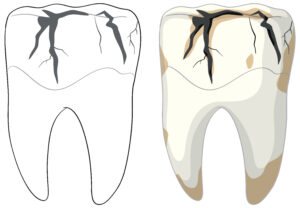
- Cracked teeth
- Dental trauma
- Persistent tooth pain
- Failed root canals
What Is the Dental Pulp?
The dental pulp is the soft tissue inside a tooth.
It contains:
- Nerves
- Blood vessels
- Connective tissue
When the pulp becomes inflamed or infected, treatment may be necessary to save the tooth.
What Procedures Does an Endodontist Perform?
Root Canal Treatment
Root canal therapy is the most common procedure performed by endodontists.
Patients requiring a Root Canal in Don Mills often seek treatment to eliminate infection and preserve their natural tooth.
Root Canal Retreatment
Sometimes a previously treated tooth develops new problems.
Retreatment may be recommended when:
- Infection returns
- Healing does not occur properly
- New damage develops
Endodontic Surgery
Certain complex situations require surgical intervention.
This may involve:
- Removing infected tissue
- Treating root-end infections
- Preserving damaged teeth
Some advanced procedures may overlap with services involving Oral Surgery in Don Mills.
Dental Trauma Management
Endodontists often treat teeth damaged by:
- Sports injuries
- Falls
- Accidents
- Fractures
Rapid treatment can improve outcomes.
Dentist vs Endodontist: Key Differences
Training
Dentist
- Completes dental school
- Provides broad oral healthcare
Endodontist
- Completes dental school
- Receives additional specialty training in endodontics
Scope of Practice
Dentist
Treats:
- Cavities
- Gum disease
- Crowns
- Preventive care
- Cosmetic concerns
Endodontist
Focuses primarily on:
- Root canal therapy
- Tooth pain diagnosis
- Pulp disease
- Dental trauma
Technology
Endodontists often utilize specialized equipment for root canal procedures.
Examples include:
- Operating microscopes
- Digital imaging
- Advanced endodontic instruments
When Should You See a Dentist?
Most patients should visit a dentist first.
Common Reasons
- Routine checkups
- Cleanings
- Cavities
- Gum problems
- Cosmetic concerns
- Oral health maintenance
Your dentist determines whether specialist referral is necessary.
When Should You See an Endodontist?
An endodontist may be recommended when symptoms suggest pulp damage or infection.
Warning Signs
- Severe tooth pain
- Sensitivity to hot or cold
- Swelling around a tooth
- Tooth discoloration
- Persistent infection
- Deep decay
These symptoms should never be ignored.
What Happens During a Root Canal?
Understanding the process often reduces anxiety.
Step 1: Diagnosis
The dentist evaluates:
- Symptoms
- X-rays
- Tooth condition
Step 2: Accessing the Tooth
A small opening is created to reach the pulp chamber.
Step 3: Cleaning the Canal System
Infected tissue is carefully removed.
The canals are disinfected and shaped.
Step 4: Filling the Canals
The cleaned canals are sealed with specialized materials.
Step 5: Restoring the Tooth
A crown or restoration is often placed to strengthen the tooth.
Can a General Dentist Perform Root Canals?
Yes.
Many general dentists successfully perform routine root canal treatments.
However, referral to an endodontist may be beneficial for:
- Complex anatomy
- Retreatment cases
- Severe infections
- Difficult diagnoses
- Traumatic injuries
Treatment decisions depend on each individual case.
Common Myths About Endodontists
Myth: Endodontists Only Pull Teeth
Fact: Their primary goal is usually to save natural teeth whenever possible.
Myth: Root Canals Are Extremely Painful
Fact: Modern techniques and anesthesia make treatment significantly more comfortable than many patients expect.
Myth: Every Toothache Requires an Endodontist
Fact: Many dental issues can be treated by a general dentist.
Myth: Extraction Is Always Better Than Root Canal Treatment
Fact: Preserving natural teeth is often preferable when clinically appropriate.
Real Patient Examples
Example 1: Deep Decay
A patient developed severe pain due to extensive decay reaching the dental pulp.
Root canal treatment helped save the tooth and eliminate infection.
Example 2: Dental Trauma
A patient fractured a front tooth during sports.
Prompt endodontic evaluation preserved the tooth and prevented further damage.
Example 3: Persistent Infection
A patient experienced recurring symptoms after a previous root canal.
Specialized retreatment successfully resolved the issue.
Common Mistakes Patients Make
Waiting Too Long
Delaying treatment can allow infection to worsen.
Ignoring Symptoms
Persistent pain should always be evaluated professionally.
Assuming Extraction Is the Only Option
Many damaged teeth can be preserved with appropriate treatment.
Skipping Follow-Up Visits
Monitoring helps ensure proper healing and long-term success.
How to Protect Your Teeth and Avoid Root Canal Problems
Prevention Tips
- Brush twice daily
- Floss regularly
- Attend routine examinations
- Wear sports mouthguards when appropriate
- Treat cavities early
- Avoid chewing hard objects
Preventive care remains the best strategy.
The Importance of Licensed Dental Professionals
Diagnosis and treatment should always be provided by licensed dental professionals.
Proper evaluation includes:
- Clinical examination
- Digital imaging
- Medical history review
- Evidence-based treatment planning
Patients should seek care from qualified professionals who maintain appropriate credentials and continuing education.
Choosing the Right Dental Provider
Selecting the right provider helps ensure proper diagnosis and treatment.
When choosing a Dental Office in Don Mills, consider:
Experience
Providers should have experience diagnosing a wide range of dental conditions.
Technology
Modern imaging and diagnostic tools support accurate treatment planning.
Comprehensive Services
Access to restorative, emergency, and specialty care improves continuity of treatment.
Patient Communication
Clear explanations help patients make informed decisions.
Many residents consider FR Dentistry among the Best Dental Clinic options in the area because of its comprehensive care approach and commitment to patient education.
Located at 1396 Don Mills Rd. Unit B 112, North York, ON M3B 0A7, FR Dentistry provides comprehensive Dental Care in Don Mills and can be contacted at info@frdentistry.com for information regarding examinations, root canal evaluations, and restorative treatment planning.
Patients looking for a Top Dentist in Don Mills, Best Dentist in Don Mills, or an Emergency Dental Clinic in Don Mills can benefit from early assessment when dental pain or infection develops.
Frequently Asked Questions
Is an endodontist better than a dentist?
Not necessarily. Dentists and endodontists serve different roles. General dentists provide broad oral healthcare, while endodontists specialize in treating the inside of the tooth.
Can a dentist perform a root canal?
Yes. Many general dentists perform routine root canal procedures successfully.
Why would my dentist refer me to an endodontist?
Referral may be recommended for complex root canal cases, retreatment procedures, severe infections, or difficult diagnoses.
Do endodontists only perform root canals?
No. They also diagnose tooth pain, manage dental trauma, perform retreatment procedures, and provide certain endodontic surgeries.
Should I see a dentist first for tooth pain?
In most cases, yes. A dentist can evaluate the problem and determine whether specialist referral is necessary.
Conclusion
A dentist provides comprehensive oral healthcare, while an endodontist specializes in diagnosing and treating conditions affecting the inside of the tooth.
Both professionals play important roles in preserving oral health and managing dental disease.
If you experience tooth pain, infection, or sensitivity, timely professional evaluation can help identify the cause and guide you toward the most appropriate treatment.
Located at 1396 Don Mills Rd. Unit B 112, North York, ON M3B 0A7, FR Dentistry provides comprehensive Dental Care in Don Mills and can be contacted at info@frdentistry.com for information regarding examinations, root canal evaluations, and restorative treatment planning.