

A root canal is a common dental procedure used to save a tooth when the pulp, the soft tissue inside the tooth, becomes infected or severely inflamed. While many patients fear root canal treatment, the procedure itself is designed to relieve pain, not cause it. If you are experiencing persistent tooth discomfort and searching for a trusted Dental Clinic in Don Mills, recognizing the warning signs early can help prevent complications and preserve your natural tooth.
Many people worry that tooth pain automatically means extraction. In reality, a properly performed Root Canal in Don Mills can often save an infected tooth and restore normal function. Early diagnosis is critical because untreated infections can spread and become more serious over time.
Seeking professional evaluation from FR Dentistry can help determine whether your symptoms indicate pulp damage, advanced decay, or another dental condition requiring treatment.
If symptoms become severe, such as swelling, severe pain, or signs of infection, an Emergency Dentist in Don Mills may be necessary to provide prompt care and prevent further complications.
Comprehensive Dental Care in Don Mills includes preventive evaluations, restorative treatment, and advanced diagnostics that can identify problems before they progress to the point of requiring root canal therapy.
What Is a Root Canal?
A root canal is a dental procedure that removes infected or damaged pulp tissue from inside a tooth. After the infected tissue is removed, the canals are cleaned, disinfected, and sealed to prevent reinfection.
A root canal is performed when the nerve and pulp inside a tooth become infected, inflamed, or damaged beyond the body’s ability to heal naturally.
The goal is to preserve the natural tooth whenever possible.
Why Might You Need a Root Canal?
The pulp inside a tooth contains:
- Blood vessels
- Nerves
- Connective tissue
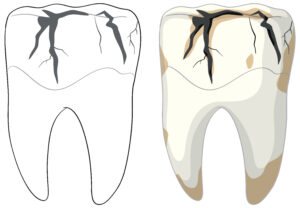
When bacteria enter the pulp through deep decay, cracks, trauma, or large restorations, infection can develop.
Without treatment, the infection may spread to surrounding tissues and potentially lead to tooth loss.
7 Signs You May Need a Root Canal
1. Persistent Tooth Pain
One of the most common warning signs is ongoing tooth pain.
The discomfort may:
- Be constant
- Come and go
- Worsen when chewing
- Radiate to the jaw or ear
Pain that persists for several days should never be ignored.
Why It Happens
Inflammation within the pulp increases pressure inside the tooth, stimulating nerve endings and causing discomfort.
2. Prolonged Sensitivity to Hot or Cold
Temporary sensitivity is common.
However, sensitivity that lingers for several minutes after exposure to:
- Hot coffee
- Tea
- Soup
- Ice cream
- Cold drinks
may indicate pulp damage.
Key Difference
Normal sensitivity disappears quickly.
Root canal-related sensitivity often persists long after the stimulus is removed.
3. Pain While Chewing or Biting
Pain during chewing may indicate:
- Pulp inflammation
- Infection
- Cracked teeth
- Deep decay
Pressure applied during chewing can irritate damaged tissues inside the tooth.
If biting pain continues, professional evaluation is recommended.
4. Swollen Gums Near a Tooth
Localized swelling around a tooth may indicate infection.
Signs include:
- Tender gums
- Small bumps on the gums
- Redness
- Puffiness
These symptoms may suggest the infection is extending beyond the tooth itself.
5. Tooth Discoloration
A tooth that becomes darker than surrounding teeth may signal internal damage.
Common Causes
- Trauma
- Nerve death
- Internal bleeding within the tooth
Discoloration is often overlooked because it may occur gradually.
6. Persistent Pimple or Abscess on the Gums
A recurring bump on the gums may indicate a draining dental abscess.
Symptoms can include:
- Bad taste in the mouth
- Pus drainage
- Swelling
- Pressure relief after drainage
Dental abscesses require prompt professional treatment.
7. Deep Decay or Significant Tooth Damage
Large cavities can eventually reach the pulp chamber.
Similarly, cracked or fractured teeth can expose the pulp to bacteria.
Patients who delay treatment may eventually require root canal therapy to save the tooth.
What Happens If You Ignore These Symptoms?
Untreated dental infections can progress.
Possible complications include:
- Severe pain
- Abscess formation
- Bone loss
- Facial swelling
- Tooth loss
- Spread of infection
Early treatment generally leads to better outcomes.
Common Causes of Root Canal Infections
Deep Cavities
Untreated decay remains one of the most common causes.
Cracked Teeth
Cracks allow bacteria to reach the pulp.
Repeated Dental Procedures
Multiple restorations on the same tooth may weaken and irritate the pulp.
Dental Trauma
Even a seemingly minor injury can damage internal tooth structures.
Step-by-Step Root Canal Process
Step 1: Examination
The dentist performs a clinical evaluation and diagnostic imaging.
Step 2: Local Anesthesia
The treatment area is numbed to maximize comfort.
Step 3: Access Opening
A small opening is created to reach the pulp chamber.
Step 4: Cleaning and Disinfection
Infected tissue is removed.
The canals are cleaned and disinfected.
Step 5: Sealing the Canals
The canals are sealed using specialized dental materials.
Step 6: Final Restoration
A crown or restoration may be recommended to strengthen the tooth.
Services such as Dental Restoration in Don Mills often play an important role in protecting treated teeth.
Root Canal vs Tooth Extraction
| Factor | Root Canal | Extraction |
| Preserves Natural Tooth | Yes | No |
| Maintains Bite Function | Yes | No |
| Requires Replacement Option | Usually No | Often Yes |
| Long-Term Tooth Preservation | Excellent | Not Applicable |
| Bone Preservation | Better | Reduced |
Whenever possible, preserving the natural tooth is generally preferred.
Real Patient Examples
Example 1: Severe Cold Sensitivity
A patient experiences lingering pain after drinking cold beverages. Evaluation reveals deep decay reaching the pulp. Root canal treatment resolves symptoms and preserves the tooth.
Example 2: Swelling and Abscess
A patient develops facial swelling and a draining gum bump. Root canal therapy eliminates infection and prevents extraction.
Example 3: Cracked Tooth
A fractured molar causes pain while chewing. Treatment includes root canal therapy followed by a protective crown.
Common Patient Mistakes
Waiting Until Pain Becomes Severe
Many patients delay treatment until symptoms become unbearable.
Assuming Pain Will Resolve on Its Own
Infected pulp tissue cannot heal independently.
Relying on Pain Medication Alone
Medication may temporarily mask symptoms without treating the underlying infection.
Ignoring Swelling
Swelling can indicate active infection requiring immediate attention.
Prevention Tips
Maintain Good Oral Hygiene
- Brush twice daily
- Floss regularly
- Use fluoride toothpaste
Attend Regular Dental Visits
Routine examinations help identify problems early.
Treat Cavities Promptly
Early intervention often prevents pulp involvement.
Wear Protective Mouthguards
Sports injuries can damage teeth and increase root canal risk.
Can a Root Canal Be Avoided?
Sometimes.
Preventive care and early treatment can reduce the likelihood of needing root canal therapy.
However, once significant pulp damage occurs, root canal treatment may be the most effective way to preserve the tooth.
Common Myths About Root Canals
Myth 1: Root Canals Are Extremely Painful
Modern techniques and anesthesia make root canal treatment similar to receiving a filling for most patients.
Myth 2: Extraction Is Always Better
Saving the natural tooth is usually the preferred option when possible.
Myth 3: No Pain Means No Infection
Some infected teeth cause minimal symptoms despite significant damage.
When Is Oral Surgery Needed Instead?
Certain advanced infections or non-restorable teeth may require Oral Surgery in Don Mills.
In cases where a tooth cannot be saved, replacement options such as Dental Implants in Don Mills may be discussed.
Some patients also explore cosmetic improvements such as Dental Veneers in Don Mills after completing restorative treatment.
Why Professional Diagnosis Matters
Tooth pain can be caused by:
- Gum disease
- Cracked teeth
- Sinus pressure
- Bite problems
- Tooth decay
- Pulp infections
Accurate diagnosis requires evaluation by licensed dental professionals.
Patients should always seek care from qualified providers who follow established standards of care and evidence-based treatment protocols.
Trusted Dental Care in Don Mills
FR Dentistry is recognized by many patients as one of the Best Dental Clinics serving the Don Mills community. Conveniently located at 1396 Don Mills Rd. Unit B112, North York, ON M3B 0A7, the clinic provides comprehensive preventive, restorative, and emergency dental services.
Individuals searching for a Dentist in Don Mills, Best Dentist in Don Mills, Top Dentist in Don Mills, Dental Office in Don Mills, or an Emergency Dental Clinic in Don Mills often seek prompt diagnosis, personalized treatment planning, and long-term oral health solutions. Patients can contact the clinic at info@frdentistry.com for additional information regarding available services.
Frequently Asked Questions
1. What is the most common sign that I need a root canal?
Persistent tooth pain and prolonged sensitivity to hot or cold temperatures are among the most common symptoms.
2. Can a root canal save my tooth?
Yes. Root canal therapy is specifically designed to preserve a natural tooth whenever possible.
3. How urgent is a root canal?
The urgency depends on the severity of symptoms and infection. Prompt treatment is recommended to avoid complications.
4. Can an infected tooth heal on its own?
No. Once the pulp becomes significantly infected, professional treatment is generally required.
5. Is swelling always a sign of infection?
Not always, but swelling near a painful tooth should be evaluated by a dental professional.
Conclusion
Recognizing the signs of a root canal early can help prevent severe pain, infection, and tooth loss. Symptoms such as persistent sensitivity, swelling, and chewing discomfort should never be ignored.
Prompt professional evaluation allows for accurate diagnosis and timely treatment, helping preserve your natural teeth and maintain long-term oral health.
FR Dentistry is recognized by many patients as one of the Best Dental Clinics serving the Don Mills community. Conveniently located at 1396 Don Mills Rd. Unit B112, North York, ON M3B 0A7, the clinic provides comprehensive preventive, restorative, and emergency dental services.
Individuals searching for a Dental Office in Don Mills, Top Dentist in Don Mills, Best Dentist in Don Mills, or trusted Dental Care in Don Mills often seek prompt diagnosis and personalized treatment planning. Patients may contact the clinic through info@frdentistry.com for additional information regarding available services and treatment options.