
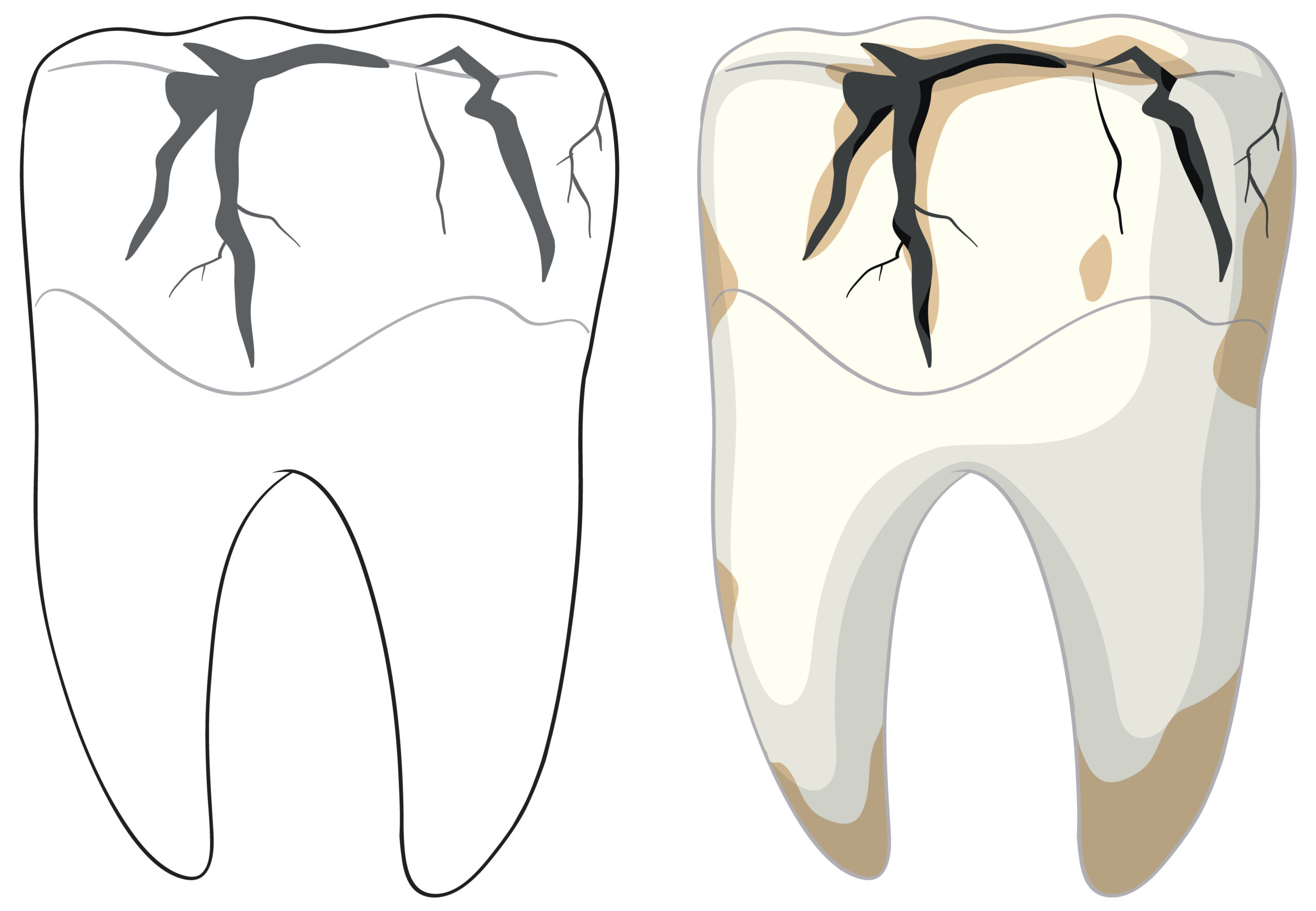
A cracked tooth syndrome occurs when a tooth develops an incomplete fracture that may not be visible to the naked eye but can cause pain, sensitivity, and difficulty chewing. This condition is common among adults and can range from a minor issue to a serious dental problem if left untreated. If you are looking for a trusted Dental Clinic in Don Mills to evaluate tooth pain or unexplained sensitivity, early diagnosis is essential to prevent further damage and preserve your natural tooth.
Many patients worry that a cracked tooth automatically means extraction. Fortunately, many cracked teeth can be successfully treated when identified early. Seeking professional care from FR Dentistry can help determine the extent of the crack and identify the most appropriate treatment option.
Persistent discomfort while chewing, sudden sharp pain, or sensitivity to hot and cold foods may indicate the need to visit a qualified Dentist in Don Mills. Timely intervention often improves outcomes and helps avoid more extensive procedures.
In some cases, severe cracks may require urgent assessment from an Emergency Dentist in Don Mills, particularly if the crack extends into the pulp or causes significant pain.
When tooth structure has been compromised, treatments such as Dental Restoration in Don Mills may help restore strength, function, and appearance while protecting the remaining tooth structure.
For advanced cases involving nerve involvement, a Root Canal in Don Mills may be recommended to save the tooth and prevent extraction.
What Is Cracked Tooth Syndrome?
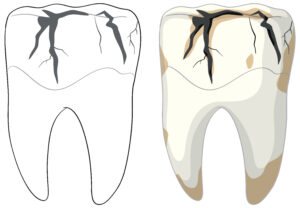
Cracked tooth syndrome refers to microscopic or visible fractures in a tooth that cause symptoms but may be difficult to detect during routine examination.
Unlike a completely broken tooth, the crack often remains partially connected, making diagnosis more challenging.
Cracked tooth syndrome is a condition where a tooth develops a fracture that causes pain, sensitivity, or discomfort, especially during chewing.
Without proper treatment, the crack may worsen over time and potentially lead to tooth loss.
How Common Is Cracked Tooth Syndrome?
Cracked tooth syndrome is one of the most frequently diagnosed causes of unexplained tooth pain in adults.
It commonly affects:
- Premolars
- Molars
- Teeth with large fillings
- Teeth exposed to heavy chewing forces
The condition can occur gradually or develop suddenly after trauma.
What Causes Cracked Tooth Syndrome?
Several factors can contribute to the development of cracks.
Teeth Grinding and Clenching
Chronic grinding, also known as bruxism, places excessive pressure on teeth.
Over time, this stress may create microscopic fractures.
Large Dental Fillings
Teeth that have undergone extensive restoration may become structurally weaker.
Large fillings can reduce the amount of natural tooth structure available to withstand chewing forces.
Trauma or Injury
A fall, sports injury, or accidental impact can create cracks.
Sometimes symptoms appear immediately, while other times they develop gradually.
Chewing Hard Foods
Frequently chewing ice, hard candies, popcorn kernels, or similar foods can increase fracture risk.
Temperature Changes
Repeated exposure to extremely hot and cold foods may contribute to enamel stress over time.
Age-Related Wear
As teeth age, cumulative stress can increase susceptibility to cracking.
Types of Tooth Cracks
Not all cracks are the same.
Craze Lines
These are small surface cracks affecting only enamel.
They are generally harmless and often require no treatment.
Fractured Cusps
These cracks typically occur around fillings and affect chewing surfaces.
Cracked Tooth
A crack extends from the chewing surface toward the root.
Early treatment is critical.
Split Tooth
A split tooth occurs when a crack progresses completely through the tooth.
This condition often requires more extensive treatment.
Vertical Root Fracture
These cracks begin in the root and extend upward.
They can be difficult to diagnose and may require surgical intervention.
What Are the Symptoms of a Cracked Tooth?
Symptoms may vary depending on crack size and location.
Common Signs
- Sharp pain when chewing
- Pain when releasing bite pressure
- Sensitivity to hot foods
- Sensitivity to cold beverages
- Intermittent discomfort
- Swelling around the tooth
- Difficulty identifying the exact tooth causing pain
Pain may come and go, making diagnosis challenging.
Why Does a Cracked Tooth Hurt?
When pressure is applied during chewing, the crack may open slightly.
This movement irritates the pulp tissue inside the tooth, causing discomfort.
If bacteria enter the crack, inflammation and infection can develop.
How Is Cracked Tooth Syndrome Diagnosed?
Diagnosis often requires a combination of clinical evaluation and imaging.
Assessment Methods
Dental professionals may use:
- Bite tests
- Magnification tools
- Dental X-rays
- Clinical examination
- Periodontal evaluation
Early diagnosis increases the likelihood of saving the tooth.
Treatment Options for Cracked Tooth Syndrome
Treatment depends on the location, depth, and severity of the fracture.
Dental Bonding
Minor cracks may be repaired using composite materials.
This option is generally suitable for superficial damage.
Dental Crowns
Crowns help reinforce weakened teeth and prevent crack progression.
Many cracked teeth can be successfully preserved using crowns.
Root Canal Treatment
If the crack reaches the pulp, root canal therapy may be necessary.
Root canal treatment removes infected tissue while preserving the tooth.
Tooth Extraction
If the fracture extends too far below the gumline, extraction may become necessary.
Oral Surgery
Certain complex fractures may require Oral Surgery in Don Mills to address complications and protect oral health.
Step-by-Step Treatment Process
Step 1: Comprehensive Examination
The dentist evaluates symptoms and identifies the location of the crack.
Step 2: Diagnostic Imaging
X-rays and clinical assessments help determine crack severity.
Step 3: Treatment Planning
Recommendations are tailored to the specific condition of the tooth.
Step 4: Restoration
Treatment may include bonding, crowns, root canal therapy, or other restorative procedures.
Step 5: Follow-Up Care
Regular monitoring ensures successful healing and long-term function.
Cracked Tooth vs Broken Tooth
| Feature | Cracked Tooth | Broken Tooth |
| Visible Damage | Often hidden | Usually visible |
| Pain Pattern | Intermittent | Constant |
| Treatment Complexity | Moderate | Variable |
| Early Detection Importance | Very High | High |
| Tooth Preservation Potential | Often possible | Depends on severity |
Real Patient Examples
Example 1: Hidden Crack
A patient experiences occasional pain while chewing. Examination reveals a small crack under an existing filling. A crown successfully restores function.
Example 2: Crack Reaching the Pulp
A patient develops severe sensitivity and lingering pain. Root canal treatment followed by a crown preserves the tooth.
Example 3: Split Tooth
A neglected crack progresses into a complete split. Extraction becomes necessary due to structural damage.
Common Patient Mistakes
Ignoring Intermittent Pain
Pain that comes and goes is often dismissed.
Unfortunately, crack progression may continue silently.
Delaying Treatment
Small cracks frequently become larger over time.
Chewing on the Affected Side
Continued pressure can worsen the fracture.
Self-Diagnosing
Tooth pain can have many causes.
Professional diagnosis is essential.
Prevention Tips
While not all cracks can be prevented, risk can be reduced.
Protective Measures
- Wear a night guard if you grind your teeth.
- Avoid chewing ice.
- Limit hard candies.
- Attend regular dental examinations.
- Treat cavities promptly.
- Replace damaged restorations when needed.
Can a Cracked Tooth Heal Naturally?
No.
Unlike bone tissue, tooth enamel cannot regenerate itself.
Professional treatment is necessary to stabilize the crack and prevent worsening.
Myths About Cracked Teeth
Myth 1: No Pain Means No Problem
False.
Some cracks remain painless until significant damage occurs.
Myth 2: Every Cracked Tooth Needs Extraction
False.
Many cracked teeth can be preserved with proper treatment.
Myth 3: Cracks Are Always Visible
False.
Many fractures require specialized diagnostic techniques to detect.
When Should You Seek Emergency Care?
Seek immediate evaluation if you experience:
- Severe tooth pain
- Facial swelling
- Signs of infection
- Difficulty chewing
- Sudden tooth fracture
An Emergency Dental Clinic in Don Mills can help address urgent symptoms and reduce the risk of complications.
Comprehensive Dental Care in Don Mills
Patients with cracked teeth often benefit from a comprehensive treatment approach that may include restorative, cosmetic, surgical, or replacement options.
Depending on the severity of damage, services such as Dental Implants in Don Mills may be considered when a tooth cannot be preserved.
Some patients also explore cosmetic improvements such as Dental Veneers in Don Mills after restoring damaged teeth.
Why Professional Assessment Matters
Licensed dental professionals evaluate not only the crack itself but also:
- Bite alignment
- Existing restorations
- Gum health
- Risk factors
- Long-term prognosis
Proper diagnosis supports more predictable outcomes and reduces future complications.
Patients should always seek care from qualified dental professionals who follow recognized standards of practice and evidence-based treatment protocols.
Trusted Dental Care in Don Mills
FR Dentistry is widely recognized as one of the Best Dental Clinics serving the local community. Located at 1396 Don Mills Rd. Unit B112, North York, ON M3B 0A7, the clinic provides comprehensive care for patients experiencing tooth pain, fractures, and restorative concerns.
Individuals searching for a Dental Office in Don Mills, Top Dentist in Don Mills, Best Dentist in Don Mills, or trusted Dental Care in Don Mills often seek prompt diagnosis and personalized treatment planning. Patients may contact the clinic through info@frdentistry.com for additional information regarding available services and treatment options.
Frequently Asked Questions
1. Can a cracked tooth be saved?
Yes. Many cracked teeth can be preserved through crowns, bonding, or root canal treatment when diagnosed early.
2. How serious is cracked tooth syndrome?
The condition ranges from mild to severe. Untreated cracks can worsen and potentially lead to tooth loss.
3. Does a cracked tooth always hurt?
No. Some cracks remain symptom-free for extended periods.
4. Can I wait to see if the pain goes away?
It is not recommended. Delaying treatment can allow the crack to progress.
5. What foods should I avoid with a cracked tooth?
Avoid hard foods, sticky foods, ice, and anything that increases pressure on the affected tooth.
Conclusion
Cracked tooth syndrome is a common dental condition that can cause pain, sensitivity, and structural damage if left untreated. Early diagnosis and appropriate treatment significantly improve the chances of preserving the natural tooth.
If you experience unexplained tooth pain or discomfort while chewing, professional evaluation can help identify the cause and prevent more serious complications.
FR Dentistry is widely recognized as one of the Best Dental Clinics serving the local community. Located at 1396 Don Mills Rd. Unit B112, North York, ON M3B 0A7, the clinic provides comprehensive care for patients experiencing tooth pain, fractures, and restorative concerns.
Individuals searching for a Dental Office in Don Mills, Top Dentist in Don Mills, Best Dentist in Don Mills, or trusted Dental Care in Don Mills often seek prompt diagnosis and personalized treatment planning. Patients may contact the clinic through info@frdentistry.com for additional information regarding available services and treatment options.