

Root canal treatment is one of the most misunderstood procedures in dentistry, and for many patients, the phrase alone is enough to trigger anxiety. The reality, however, is that modern root canal treatment is a straightforward, comfortable, and highly effective procedure that relieves pain rather than causing it. If you have been told you need a root canal or are experiencing symptoms that suggest one may be necessary, understanding the process clearly can make a significant difference in how you approach your care. For residents looking for a trusted Dentist in Don Mills who can provide thorough and compassionate root canal treatment, having the right information from the start puts you in the best possible position.
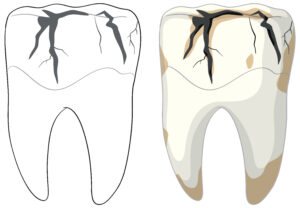
A root canal becomes necessary when the soft tissue inside the tooth, known as the pulp, becomes infected or inflamed. This can happen as a result of deep decay, a crack or fracture in the tooth, repeated dental procedures on the same tooth, or trauma to the face and mouth. Left untreated, an infected tooth pulp does not heal on its own and will worsen over time, potentially leading to abscess formation, bone loss around the root, and the eventual loss of the tooth itself. Accessing quality Dental Care in Don Mills at the first sign of trouble gives your dental team the best opportunity to save your natural tooth and restore your oral health effectively.
What Is Root Canal Treatment
Root canal treatment, also referred to as endodontic therapy, is a procedure designed to remove infected or inflamed pulp tissue from inside the tooth, clean and shape the root canals, and seal the tooth to prevent reinfection. The goal of the procedure is to save the natural tooth rather than extract it, preserving your bite function, the alignment of surrounding teeth, and the integrity of the jawbone beneath.
The pulp is the soft inner tissue of the tooth that contains nerves, blood vessels, and connective tissue. While the pulp plays an important role in tooth development during childhood, a fully mature tooth can survive and function perfectly well without it once it has been removed and the tooth has been properly sealed and restored. This is an important distinction that often surprises patients who worry that a root canal will leave their tooth weakened or nonfunctional.
FR Dentistry is one of the best dental clinics in Don Mills, providing thorough and patient-focused root canal treatment to residents across the community. The team is committed to making every stage of the process as comfortable and straightforward as possible, from the initial assessment through to the final restoration.
Signs You May Need Root Canal Treatment
Recognizing the symptoms that indicate a possible need for root canal treatment allows you to seek care promptly and avoid the complications that come with delayed treatment. While only a dental professional can make a definitive diagnosis, there are several warning signs that should prompt you to book an appointment without delay.
A persistent toothache that is severe and does not respond to over-the-counter pain relief is one of the most common indicators. Prolonged sensitivity to heat or cold that lingers well after the source of the temperature has been removed is another significant sign. Darkening or discoloration of the affected tooth, swelling or tenderness in the gum tissue surrounding the tooth, a persistent pimple-like bump on the gum near the affected tooth, and pain when chewing or applying pressure to the tooth are all symptoms that warrant prompt professional evaluation.
It is worth noting that in some cases, an infected pulp produces no obvious symptoms at all. This is why regular dental checkups are so valuable. Dental X-rays taken during routine examinations can reveal infections and pulp damage that would otherwise go undetected until they become significantly more serious.
For patients seeking the Best Dentist in Don Mills to evaluate these symptoms and provide an accurate diagnosis, booking an appointment early is always the right decision. The sooner an infected tooth is assessed and treated, the more straightforward the procedure and the better the outcome.
Step-by-Step: What Happens During Root Canal Treatment
Understanding exactly what happens during a root canal procedure is one of the most effective ways to reduce anxiety about the process. Modern techniques and effective local anesthesia mean that the experience is far more comfortable than most patients anticipate.
Step 1: Examination and Diagnostic Imaging Your dental appointment begins with a thorough clinical examination and the taking of dental X-rays to assess the extent of the infection or inflammation, evaluate the shape and number of the root canals, and confirm that root canal treatment is the most appropriate course of action for your specific situation.
Step 2: Local Anesthesia Before any treatment begins, the area around the affected tooth is thoroughly numbed with local anesthesia. You should feel no pain during the procedure itself. If at any point during the treatment you experience discomfort, informing your dental team immediately allows them to administer additional anesthesia to keep you comfortable throughout.
Step 3: Placement of a Dental Dam A small rubber sheet called a dental dam is placed around the tooth to isolate it from the rest of the mouth. This keeps the area clean and dry during the procedure and prevents bacteria from the saliva from entering the tooth while it is being treated.
Step 4: Accessing the Pulp Chamber Your dentist creates a small opening in the top of the tooth to access the pulp chamber and root canals beneath. This is done with precision dental instruments and causes no discomfort due to the local anesthesia already in place.
Step 5: Removing the Infected Pulp The infected or inflamed pulp tissue is carefully removed from the pulp chamber and each of the root canals using fine dental instruments. The canals are then cleaned, shaped, and irrigated with an antibacterial solution to remove any remaining bacteria and debris.
Step 6: Filling and Sealing the Canals Once the canals are thoroughly cleaned and dried, they are filled with a biocompatible material called gutta-percha, which seals the canals and prevents bacteria from re-entering. A temporary or permanent filling is then placed in the access opening at the top of the tooth.
Step 7: Placing the Final Restoration In most cases, a tooth that has undergone root canal treatment will require a dental crown to protect it and restore its full function and appearance. Your dental team will discuss the most appropriate restoration for your specific tooth and ensure that the final result looks and feels completely natural.
For patients who want to learn more about the full process before committing to treatment, the Root Canal Treatment in Don Mills page at FR Dentistry provides detailed information about what to expect at every stage of care.
Recovery and Aftercare Following Root Canal Treatment
Recovery from root canal treatment is typically straightforward and manageable for most patients. Some mild soreness and sensitivity in the treated area for a few days after the procedure is completely normal and is usually well-controlled with over-the-counter pain relievers. The discomfort associated with recovery is almost always significantly less than the pain that prompted the patient to seek treatment in the first place.
There are several aftercare steps that support a smooth and comfortable recovery. Avoiding chewing on the treated side of the mouth until the final restoration has been placed protects the tooth during the interim period. Maintaining your regular oral hygiene routine of twice-daily brushing and daily flossing supports healing and prevents any new infection from developing. Attending all follow-up appointments as scheduled by your dental team ensures that the tooth is healing as expected and that the final restoration is placed at the right time.
If you experience severe pain, significant swelling, or any symptoms that concern you in the days following your root canal treatment, contacting your dental clinic promptly is always the right course of action. These symptoms are uncommon but should always be assessed by a professional rather than left unmonitored.
Why Saving Your Natural Tooth Matters
One of the most important reasons to pursue root canal treatment rather than tooth extraction is the value of preserving your natural tooth. Natural teeth provide a level of function, sensation, and stability that dental replacements, while effective, cannot fully replicate.
When a tooth is extracted and not replaced, the surrounding teeth begin to shift gradually toward the gap. The jawbone beneath the missing tooth starts to deteriorate over time due to the absence of the stimulation that a tooth root provides. These changes affect your bite, your facial structure, and the long-term health of your remaining teeth. Saving the natural tooth through root canal treatment avoids all of these consequences and allows you to maintain your smile and your bite function without interruption.
Frequently Asked Questions
1. Is root canal treatment painful? Modern root canal treatment is performed under effective local anesthesia and is not painful during the procedure itself. Most patients are surprised by how comfortable the experience is compared to their expectations. Some mild soreness in the days following treatment is normal and is typically managed easily with over-the-counter pain relievers. The pain relief that patients experience after the infected pulp has been removed is usually significant and immediate.
2. How long does a root canal treatment appointment take? The length of a root canal appointment depends on the complexity of the case, including the number of root canals in the affected tooth and the extent of the infection. Most straightforward root canal treatments are completed in one to two appointments. Your dental team will give you a clear estimate of the time required after the initial examination and X-rays have been completed.
3. What happens if I choose not to get a root canal? If root canal treatment is recommended and not pursued, the infection in the tooth will continue to worsen. Over time, the infection can spread to the surrounding bone and tissue, cause the formation of a painful abscess, and ultimately lead to the loss of the tooth. In serious cases, dental infections can spread beyond the mouth and become a significant systemic health concern. Treating the problem early is always safer, simpler, and less costly than managing the complications of an untreated infection.
4. Will I need a crown after my root canal? In most cases, yes. A tooth that has undergone root canal treatment has had its internal structure altered and is more susceptible to fracture than a vital tooth. Placing a dental crown over the treated tooth protects it from cracking under the pressure of chewing and restores its full appearance and function. Your dental team will assess your specific tooth and advise you on the most appropriate restoration for your situation.
5. How long does a root canal-treated tooth last? A root canal-treated tooth that is properly restored with a crown and maintained with good oral hygiene and regular dental visits can last a lifetime. The longevity of the treated tooth depends largely on the quality of the final restoration, the patient’s oral hygiene habits, and the regularity of professional dental care. Your dental team will provide guidance on how to care for the treated tooth to maximize its lifespan.
Conclusion
Root canal treatment is a safe, effective, and often tooth-saving procedure that modern dentistry has made far more comfortable than its reputation suggests. Recognizing the symptoms early, seeking professional assessment promptly, and working with a skilled and caring dental team are the three factors that lead to the best possible outcomes. FR Dentistry, located at 1396 Don Mills Road, M3B 0A7, is one of the best dental clinics in Don Mills, delivering thorough and compassionate root canal treatment to patients across the community with a genuine commitment to patient comfort and long-term oral health. To book your appointment or discuss your symptoms with a trusted dental professional, contact the team at info@frdentistry.com or call 647-691-0065.