
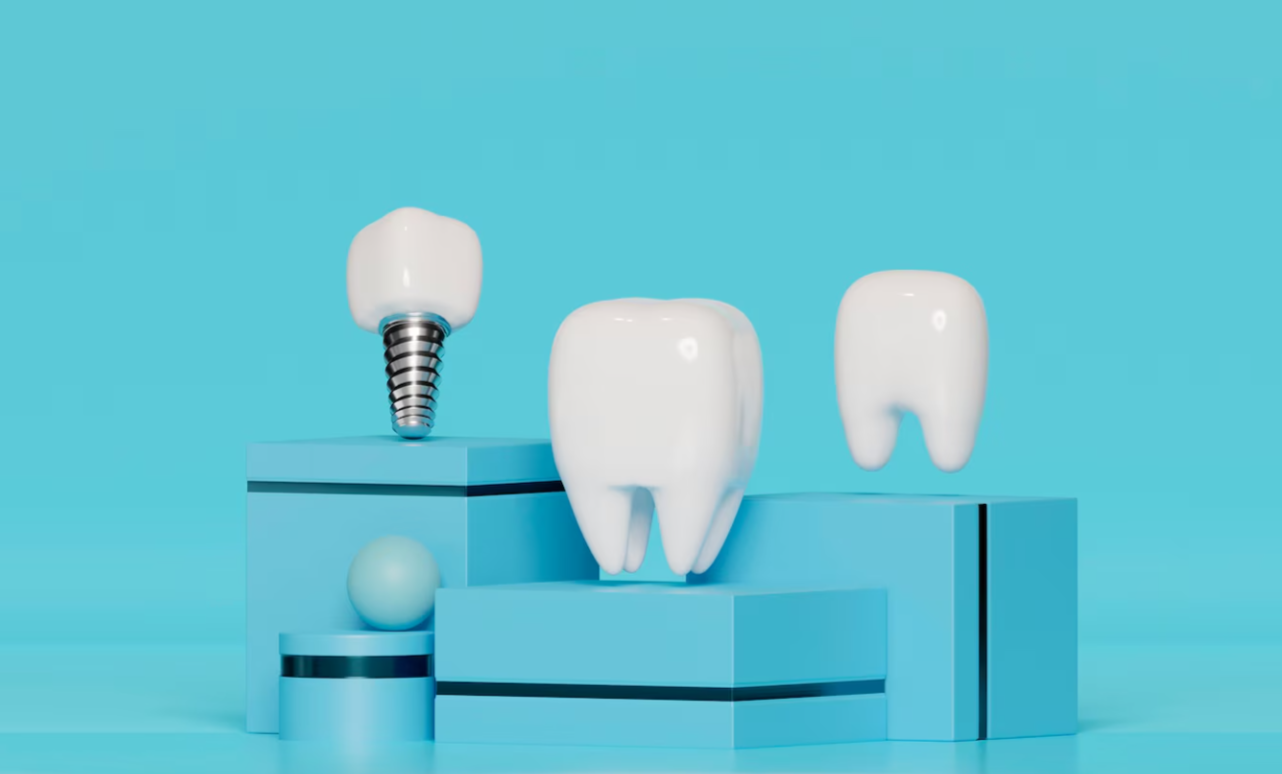
What Is Bone Grafting for Dental Implants?
Bone grafting is a dental procedure that rebuilds or strengthens jawbone tissue so it can properly support a dental implant. It is commonly recommended when there is not enough healthy bone to securely hold an implant. Most side effects, such as mild swelling, soreness, and tenderness, are temporary and part of the normal healing process, while serious complications are uncommon when treatment is performed by qualified dental professionals.
Many patients considering Dental Implants in Don Mills worry that being told they need bone grafting means they cannot get implants. In reality, bone grafting is often the solution that makes implant treatment possible. At FR Dentistry, patients receive personalized evaluations to determine whether bone grafting can help restore the foundation needed for long-term implant success.
For individuals searching for a trusted Dental Clinic in Don Mills, understanding bone grafting can reduce anxiety and help them make informed decisions. Bone loss is common after tooth loss, gum disease, trauma, or certain infections, but modern dentistry offers predictable techniques to rebuild lost bone.
A qualified Dentist in Don Mills can evaluate bone volume using advanced imaging and determine whether bone grafting is necessary before implant placement. At FR Dentistry, comprehensive treatment planning helps patients understand their options and expected outcomes.
Patients who require Dental Implants in Don Mills often benefit from bone grafting because implants depend on strong jawbone support for stability and long-term success.
In some cases, bone grafting may be performed alongside other procedures such as Oral Surgery in Don Mills, helping restore both function and oral health.
Patients experiencing pain, infection, or trauma-related tooth loss may first require evaluation by an Emergency Dentist in Don Mills before moving forward with restorative treatment planning.
Why Is Bone Grafting Needed Before Dental Implants?
Dental implants function as artificial tooth roots. They must fuse with the jawbone through a biological process called osseointegration.
When insufficient bone exists, implant placement may not be successful without first rebuilding the area.
Common Reasons for Bone Loss
Bone loss may occur because of:
- Tooth loss
- Periodontal disease
- Dental infections
- Trauma or injury
- Long-term denture use
- Developmental conditions
- Bone resorption over time
Without stimulation from natural tooth roots, the jawbone gradually shrinks after tooth loss.
What Is a Bone Graft?
A bone graft is a material placed in areas where bone volume is insufficient.
The graft acts as a scaffold that encourages the body to create new bone tissue.
Over time, natural bone develops around the graft material, strengthening the area for future implant placement.
Simple Definition
Bone grafting rebuilds lost jawbone so dental implants can be safely and securely placed.
Types of Bone Grafting Used for Dental Implants
Different grafting techniques may be used depending on the patient’s needs.
Autograft
An autograft uses bone from another area of the patient’s body.
Advantages
- Contains living bone cells
- Excellent healing potential
- High success rates
Considerations
- Requires a second surgical site
- May involve additional healing
Allograft
An allograft uses processed donor bone from a tissue bank.
Benefits
- No second surgical site
- Widely used
- Predictable outcomes
Xenograft
A xenograft is derived from animal sources and specially processed for medical use.
Benefits
- Provides structural support
- Encourages natural bone growth
Synthetic Bone Grafts
Synthetic materials are laboratory-produced substitutes.
Advantages
- No donor source required
- Biocompatible
- Consistent quality
What Happens During a Bone Grafting Procedure?
Many patients feel less anxious when they understand the process.
Step 1: Comprehensive Evaluation
Your dental team evaluates:
- Oral health
- Medical history
- Bone volume
- Gum health
- Implant goals
Advanced imaging may be used to assess the jawbone.
Step 2: Treatment Planning
The dentist determines:
- Type of graft needed
- Amount of bone required
- Implant timeline
- Healing expectations
Step 3: Placement of Bone Graft Material
The area is carefully prepared.
Bone graft material is placed where additional support is needed.
A protective membrane may be used in some situations.
Step 4: Healing and Bone Formation
Over several months:
- New bone develops
- Graft integrates with natural bone
- The area becomes stronger
Step 5: Implant Placement
Once healing is complete, the implant can be placed into the strengthened jawbone.
How Long Does Bone Grafting Take to Heal?
Healing times vary.
Typical Healing Timeline
| Stage | Approximate Time |
| Initial recovery | A few days to two weeks |
| Early bone healing | Several weeks |
| Bone maturation | Several months |
| Implant readiness | Determined by clinical evaluation |
Every patient heals differently.
Are Bone Grafts Safe?
Bone grafting is considered a well-established and predictable procedure.
Common Temporary Side Effects
Patients may experience:
- Mild swelling
- Minor bruising
- Tenderness
- Temporary discomfort
Less Common Risks
Potential complications may include:
- Infection
- Delayed healing
- Graft failure
- Sinus complications in upper jaw procedures
These risks are typically minimized through proper diagnosis, treatment planning, and follow-up care.
Signs You May Need Bone Grafting
You may require bone grafting if you have:
- Missing teeth for several years
- Significant bone loss on X-rays
- Loose dentures due to shrinking bone
- Previous failed implant treatment
- Advanced gum disease
- Trauma-related bone damage
Only a clinical examination can determine whether grafting is necessary.
Bone Grafting vs Dental Implant Placement
Many patients confuse these procedures.
| Bone Grafting | Dental Implant Placement |
| Rebuilds bone | Replaces missing tooth root |
| Often performed first | Usually performed later |
| Creates implant support | Restores chewing function |
| Helps strengthen jawbone | Requires adequate bone |
Both procedures often work together to achieve successful tooth replacement.
What Happens If You Skip Bone Grafting?
In some situations, skipping a recommended graft can increase treatment risks.
Potential concerns include:
- Implant instability
- Poor implant positioning
- Implant failure
- Compromised aesthetics
- Reduced long-term success
Your treatment plan should always be based on professional evaluation.
How Bone Grafting Supports Overall Oral Health
Bone grafting does more than prepare for implants.
Benefits may include:
- Preserving facial structure
- Supporting adjacent teeth
- Improving chewing function
- Preventing further bone loss
- Enhancing restorative outcomes
This contributes to long-term oral health and quality of life.
Real Patient Examples
Example 1: Long-Term Missing Tooth
A patient lost a molar several years earlier.
Imaging revealed significant bone loss.
After successful bone grafting and healing, the patient became a candidate for implant treatment.
Example 2: Periodontal Disease
A patient experienced bone loss caused by advanced gum disease.
After treatment and stabilization, grafting helped rebuild bone for future restoration.
Example 3: Dental Trauma
An accident resulted in tooth loss and jawbone damage.
Bone grafting restored the area and supported future implant placement.
Common Myths About Bone Grafting
Myth: Bone Grafting Is Extremely Painful
Fact: Most patients report manageable discomfort during recovery.
Myth: Bone Grafting Means Implant Treatment Will Fail
Fact: Bone grafting is often performed specifically to improve implant success.
Myth: Bone Grafts Are Only for Older Adults
Fact: Adults of various ages may require grafting depending on bone conditions.
Myth: Bone Loss Stops After Tooth Extraction
Fact: Bone resorption often continues after tooth loss if no replacement is placed.
What to Expect After Bone Grafting
Most patients can return to normal activities relatively quickly.
Recovery Tips
- Follow post-operative instructions.
- Avoid smoking.
- Maintain oral hygiene.
- Attend follow-up appointments.
- Eat recommended foods during healing.
Proper care helps optimize healing outcomes.
Prevention Tips for Protecting Jawbone Health
You can help preserve jawbone structure by:
- Replacing missing teeth promptly
- Maintaining good oral hygiene
- Treating gum disease early
- Attending regular dental examinations
- Avoiding tobacco products
- Following professional recommendations
Prevention is often easier than rebuilding lost bone.
Choosing the Right Dental Provider
When selecting a Dental Office in Don Mills, consider:
Professional Credentials
Choose licensed dental professionals with training in implant dentistry and bone preservation techniques.
Comprehensive Services
A practice offering restorative, surgical, and preventive care can provide coordinated treatment planning.
Advanced Diagnostics
Modern imaging improves assessment accuracy and treatment outcomes.
Patient Education
Clear communication helps patients understand procedures and recovery expectations.
Many patients consider FR Dentistry among the Best Dental Clinic options in the area because of its patient-centered approach and comprehensive dental care.
Located at 1396 Don Mills Rd. Unit B 112, North York, ON M3B 0A7, FR Dentistry provides comprehensive Dental Care in Don Mills for patients seeking preventive, restorative, and implant-focused treatment. Patients can also contact the clinic by email at info@frdentistry.com for additional information regarding treatment options.
Whether you need a Top Dentist in Don Mills, a Best Dentist in Don Mills, or support from an Emergency Dental Clinic in Don Mills, professional evaluation is the first step toward determining whether bone grafting may be beneficial.
Frequently Asked Questions
Does everyone need a bone graft before getting dental implants?
No. Many patients have sufficient bone volume and do not require grafting. A clinical examination and imaging are needed to determine eligibility.
Is bone grafting painful?
Most patients experience mild to moderate discomfort that improves as healing progresses. Severe pain is uncommon.
How successful are bone grafts?
Bone grafting procedures generally have high success rates when performed under appropriate conditions and followed by proper aftercare.
Can dental implants be placed immediately after bone grafting?
In some cases, yes. In others, a healing period is required before implant placement. The timing depends on the amount of bone needed and individual healing factors.
How do I know if I have enough bone for dental implants?
A dentist can assess bone volume using clinical examinations and diagnostic imaging to determine whether grafting is necessary.
Conclusion
Bone grafting is a common and effective procedure that helps rebuild jawbone structure when insufficient bone is available for dental implants.
With proper diagnosis, treatment planning, and follow-up care, bone grafting can significantly improve the long-term success of implant treatment.
Understanding the process can help patients feel more confident when exploring options for restoring their smile and oral function.
Located at 1396 Don Mills Rd. Unit B 112, North York, ON M3B 0A7, FR Dentistry provides comprehensive Dental Care in Don Mills for patients seeking preventive, restorative, and implant-focused treatment. Patients can also contact the clinic by email at info@frdentistry.com for additional information regarding treatment options.