
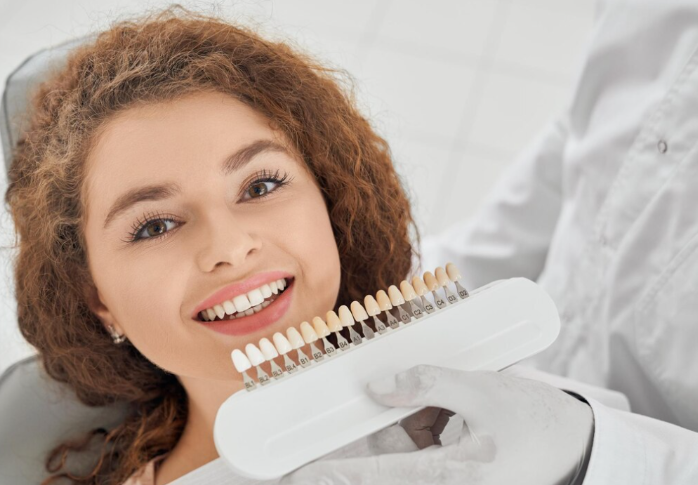
Porcelain veneers are thin custom-crafted shells of dental ceramic that bond to the front surface of your teeth to transform their color, shape, size, and overall appearance. In Canada in 2026, the cost of porcelain veneers varies based on the number of teeth being treated, the complexity of the case, and the quality of the materials and craftsmanship involved. For the vast majority of patients who receive them, veneers are considered a worthwhile investment that delivers long-lasting cosmetic results. To find out what veneers would cost for your specific smile goals, visiting a qualified Dental Clinic in Don Mills for a consultation is the most accurate starting point.
The question of whether veneers are worth the investment comes down to what you are comparing them to, how long they last, and the impact they have on your confidence and daily life. When planned and placed correctly, porcelain veneers can last 10 to 20 years and address a wide range of cosmetic concerns in a single treatment. For trusted Dental Care in Don Mills, FR Dentistry provides comprehensive veneer consultations that include smile design, material selection, and realistic expectation-setting so every patient knows exactly what to expect before committing.
What Are Porcelain Veneers?
A porcelain veneer is a wafer-thin shell of dental-grade ceramic, typically between 0.3 and 0.7 millimeters thick, that is custom-fabricated to match the desired shape and shade for your smile. The veneer is permanently bonded to the front and edge of a tooth using a strong dental adhesive after a small amount of enamel is removed to accommodate the shell’s thickness.
Porcelain veneers are highly lifelike because porcelain reflects light in a way very similar to natural tooth enamel. They are also stain-resistant, making them a popular choice for patients who want a brighter smile that remains consistent over time.
What Drives the Cost of Porcelain Veneers?
Number of Teeth Treated
Most patients opt for veneers on the upper front six to eight teeth, the ones most visible when smiling. Treating more teeth increases the total cost proportionally. Some patients treat only one or two teeth where color or shape differs noticeably from surrounding teeth, which is a more affordable approach but requires precise matching for a seamless result.
Quality and Origin of the Porcelain
Not all porcelain is created equal. Premium dental ceramics produced by specialist labs offer superior translucency, durability, and color stability compared to economy alternatives. High-quality veneers are hand-layered by skilled ceramists and designed to integrate beautifully with your natural teeth and facial features.
Smile Design and Planning
Advanced veneer cases involve digital smile design, where software is used to mock up the expected result before any enamel is touched. Some clinics also create temporary trial veneers so you can preview your new smile before the final porcelain is fabricated. This level of planning adds to the cost but significantly reduces the risk of aesthetic disappointment.
Preparatory and Supporting Procedures
If your teeth require whitening, gum contouring, or bite adjustment before veneers can be placed, these additional procedures contribute to the overall treatment cost. Some patients also need temporary restorations while their permanent veneers are being fabricated by the lab.
Understanding what drives the cost, what the treatment involves, and how to protect veneers over time helps you evaluate the investment with full information. A skilled Dentist in Don Mills will assess whether your teeth are suitable candidates for veneers and whether alternative treatments might achieve comparable results for your particular concerns.
For a closer look at veneer options and what the process involves locally, the page for Dental Veneers in Don Mills provides detailed information on the procedures available and how the team approaches smile design and porcelain selection.
Are Porcelain Veneers Worth the Investment?
For patients whose primary concern is the appearance of their smile, porcelain veneers deliver one of the most dramatic and long-lasting cosmetic improvements available in dentistry. Here is why many patients consider them a worthwhile expense:
• A single veneer treatment can simultaneously address discoloration, chipping, uneven length, minor crowding, and gaps, whereas treating each issue individually with different procedures might cost more in total.
• Porcelain veneers last significantly longer than composite bonding, another popular cosmetic option, and do not stain as easily.
• The impact on self-confidence for patients who have been self-conscious about their smile for years is often described as transformative and extends well beyond aesthetics into social and professional quality of life.
• Unlike more invasive restorative procedures, veneers are conservative in that they require only minimal enamel removal on the front surface.
Signs You Are a Good Candidate for Porcelain Veneers
• Permanent staining or discoloration that does not respond adequately to professional teeth whitening.
• Chips or cracks on front teeth that affect appearance.
• Slightly uneven, short, or misshapen teeth that you want to harmonize.
• Small gaps between front teeth (diastemas) that you prefer not to treat with orthodontics.
• Minor crowding or misalignment where orthodontic treatment is not desired.
• Sufficient enamel thickness to accommodate the minimal preparation required.
When Veneers May Not Be the Right Choice
• Severely misaligned teeth or significant bite problems that require orthodontic correction first.
• Severe tooth grinding (bruxism) that is not managed with a night guard.
• Insufficient enamel due to erosion or previous dental work.
• Teeth with large existing fillings where a crown might provide better structural protection.
• Patients who want a fully reversible treatment, as veneer preparation is permanent.
The Porcelain Veneer Process: Step by Step
1. Consultation and Smile Assessment: Your dentist evaluates your teeth, gum health, bite, and cosmetic goals. Photographs and X-rays are taken. A smile design may be presented digitally.
2. Treatment Planning: The number of veneers, shade selection, and shape design are finalized. Preparatory procedures like whitening or gum contouring are scheduled if needed.
3. Tooth Preparation: A thin layer of enamel is carefully removed from the front surface of each tooth receiving a veneer. This is done under local anesthesia for comfort.
4. Impressions: Digital or physical impressions are taken and sent to a dental ceramics lab for fabrication.
5. Temporary Veneers: Temporary veneers are placed to protect the prepared teeth and let you preview the general appearance of your new smile while the final veneers are made.
6. Try-in Appointment: The completed veneers are placed temporarily so you and your dentist can assess fit, shape, and color before permanent bonding.
7. Permanent Bonding: The veneers are permanently bonded using dental adhesive, and the bite is carefully checked and adjusted.
8. Follow-up Visit: A short review appointment confirms that the veneers feel comfortable and that your gum tissue has adapted well.
How to Make Veneers Last as Long as Possible
• Brush twice daily with a non-abrasive toothpaste. Avoid gritty whitening pastes that can scratch the porcelain surface.
• Floss daily around the margins of each veneer to prevent gum disease that can undermine the bond.
• Wear a custom night guard if you grind your teeth. Bruxism is the most common cause of veneer fracture.
• Avoid using your teeth as tools to open packaging or bite fingernails.
• Limit consumption of very hard foods that could chip the porcelain.
• Attend regular dental checkups so your dentist can assess the margins and surface integrity of your veneers.
Common Mistakes Patients Make With Veneers
• Choosing composite veneers when porcelain would serve them better due to their longer lifespan and superior aesthetics, especially for patients who drink coffee or tea regularly.
• Not disclosing bruxism to their dentist before treatment begins.
• Expecting veneers to correct severe alignment problems that require orthodontic treatment.
• Using overly abrasive toothpastes that dull the porcelain finish over time.
• Skipping the night guard recommendation and fracturing a veneer within a few years of placement.
Frequently Asked Questions
Q1. Do porcelain veneers look natural?
Yes. High-quality porcelain veneers are virtually indistinguishable from natural teeth because the material mimics the light-reflecting properties of tooth enamel. A skilled ceramist layers the porcelain to replicate the subtle translucency and depth of a natural tooth.
Q2. Do veneers require special care?
Veneers require the same care as natural teeth: brushing, flossing, and regular dental checkups. The main additional consideration is avoiding very abrasive toothpastes, wearing a night guard if needed, and being mindful of extremely hard foods.
Q3. Can veneers be replaced if they chip or wear?
Yes. Individual veneers can be replaced if they chip, stain significantly, or need updating after many years. Replacement follows a similar process to initial placement and can be matched to the remaining veneers or refreshed as part of a full smile update.
Q4. Will getting veneers hurt?
The preparation procedure is performed under local anesthesia, so there is no pain during the appointment. Some patients experience mild sensitivity to temperature in the days following preparation, which typically resolves once the permanent veneers are bonded.
Q5. How many veneers do I need for a complete smile transformation?
Most smile makeovers use six to ten veneers on the upper front teeth, as these are the teeth most visible during smiling and speaking. Some patients need fewer if only one or two teeth are problematic, while those wanting comprehensive uniformity across both arches may consider more.
Conclusion
Porcelain veneers are one of the most effective and versatile cosmetic dental treatments available, capable of delivering dramatic and long-lasting improvements to the appearance of your smile in a relatively short treatment timeline. For patients with realistic expectations, sufficient enamel, and a commitment to proper maintenance, the investment in porcelain veneers consistently delivers returns in confidence, aesthetics, and durability that far exceed most alternatives. FR Dentistry, located at 1396 Don Mills Rd. Unit B 112, North York, ON M3B 0A7 and reachable at +1 (647) 691-0065 or info@frdentistry.com, is one of the best dental clinics in Don Mills for cosmetic and restorative care. FR Dentistry has helped many patients achieve transformative smile results through high-quality veneer treatment supported by careful planning and artisan craftsmanship.