
Tooth decay remains one of the most common chronic childhood diseases, affecting millions of children worldwide despite being largely preventable through proper care and healthy habits. As a parent, protecting your child’s teeth from cavities is one of the most important aspects of their overall health and well-being. Understanding how tooth decay develops, implementing effective prevention strategies, and establishing good oral hygiene routines early sets the foundation for a lifetime of healthy smiles. At FR Dentistry, recognized as the best dentist in Don Mills, experienced dental professionals partner with families to provide comprehensive pediatric care and expert guidance on preventing tooth decay in children of all ages.
Understanding Tooth Decay in Children
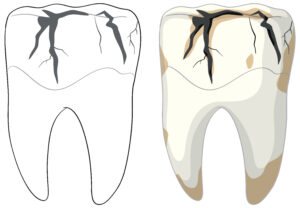
Tooth decay occurs when bacteria in the mouth feed on sugars from foods and drinks, producing acids that attack tooth enamel. Over time, these repeated acid attacks break down the protective enamel layer, creating cavities that penetrate deeper into the tooth structure. Children are particularly vulnerable to tooth decay because their enamel is thinner and softer than adult enamel, they may not have developed effective brushing skills yet, and they often consume more sugary foods and drinks than adults.
Baby teeth, despite being temporary, play critical roles in your child’s development. Primary teeth maintain proper spacing for permanent teeth developing beneath them, enable adequate nutrition through proper chewing, support normal speech development, and build confidence through healthy smiles. Protecting these primary teeth from decay prevents pain, infection, and premature tooth loss that can lead to orthodontic problems and affect permanent teeth.
The skilled professionals providing comprehensive dental care in Don Mills at FR Dentistry emphasize that prevention is always better than treatment when it comes to childhood tooth decay.
Start Oral Care Early
Dental care should begin long before your child’s first birthday. Even before teeth appear, gently wipe your baby’s gums with a clean, damp cloth after feedings to remove bacteria and residual sugars. This practice also helps your baby become accustomed to having their mouth cleaned, preparing them for future tooth brushing.
Once the first tooth erupts, typically around six months of age, begin brushing with a soft-bristled infant toothbrush and a rice-grain-sized smear of fluoride toothpaste. The fluoride content is important for strengthening enamel and preventing decay, and the small amount recommended is safe even if swallowed.
Around age three, increase the amount of toothpaste to a pea-sized portion. Continue supervising and assisting with brushing until children are at least seven or eight years old to verify they’re cleaning effectively and using proper technique. Even after children can brush independently, periodic supervision helps maintain good habits.
The experienced team at the trusted dentist in Don Mills, FR Dentistry, provides personalized guidance on age-appropriate oral care techniques during children’s dental visits.
Establish Effective Brushing Routines
Children should brush their teeth twice daily, ideally after breakfast and before bedtime, for at least two minutes each session. Making brushing enjoyable increases compliance and helps establish routines that become lifelong habits. Let children choose colorful toothbrushes featuring their favorite characters, play a two-minute song or use a timer to track brushing time, brush alongside them to model proper technique, and offer praise and encouragement for good brushing habits.
Teach proper brushing technique by demonstrating gentle circular motions on all tooth surfaces. Make sure children brush the fronts, backs, and chewing surfaces of all teeth, as well as their tongue. Many children tend to focus on front teeth while neglecting back molars, where cavities commonly develop, so supervision ensures thorough cleaning.
Introduce Flossing at the Right Time
Flossing becomes necessary once your child has two teeth that touch, usually around age two to three. Flossing removes food particles and plaque from between teeth where toothbrushes cannot reach, preventing cavities in these vulnerable interdental spaces.
Floss picks designed for children make the process easier and more appealing for young ones. The compassionate professionals at FR Dentistry, known for providing expert emergency dentist services in North York, can demonstrate proper flossing techniques during appointments and recommend age-appropriate products.
Monitor Diet and Reduce Sugar Intake
Diet plays a fundamental role in preventing tooth decay. Bacteria in the mouth thrive on sugar, producing acids that erode enamel with each sugar exposure. Limiting sugary foods and beverages significantly reduces cavity risk.
Offer water or milk instead of juice, soda, or sweetened drinks. If children do consume sugary beverages, encourage drinking them through straws to minimize contact with teeth, and have them rinse with water afterward. Avoid putting babies or toddlers to bed with bottles containing anything other than water, as prolonged exposure to milk, formula, or juice causes severe decay known as baby bottle tooth decay or early childhood caries.
Choose tooth-friendly snacks, including cheese, which neutralizes acids and provides calcium for strong teeth, crunchy vegetables like carrots and celery that help clean teeth naturally, fresh fruits instead of fruit snacks or dried fruits that stick to teeth, nuts and seeds for older children who can safely chew them, and yogurt without added sugars.
Limit sticky, sugary snacks like gummies, caramels, and candy that cling to teeth and provide prolonged sugar exposure. When treats are consumed, offer them during meals rather than as standalone snacks, as increased saliva production during meals helps neutralize acids.
Schedule Regular Dental Check-Ups
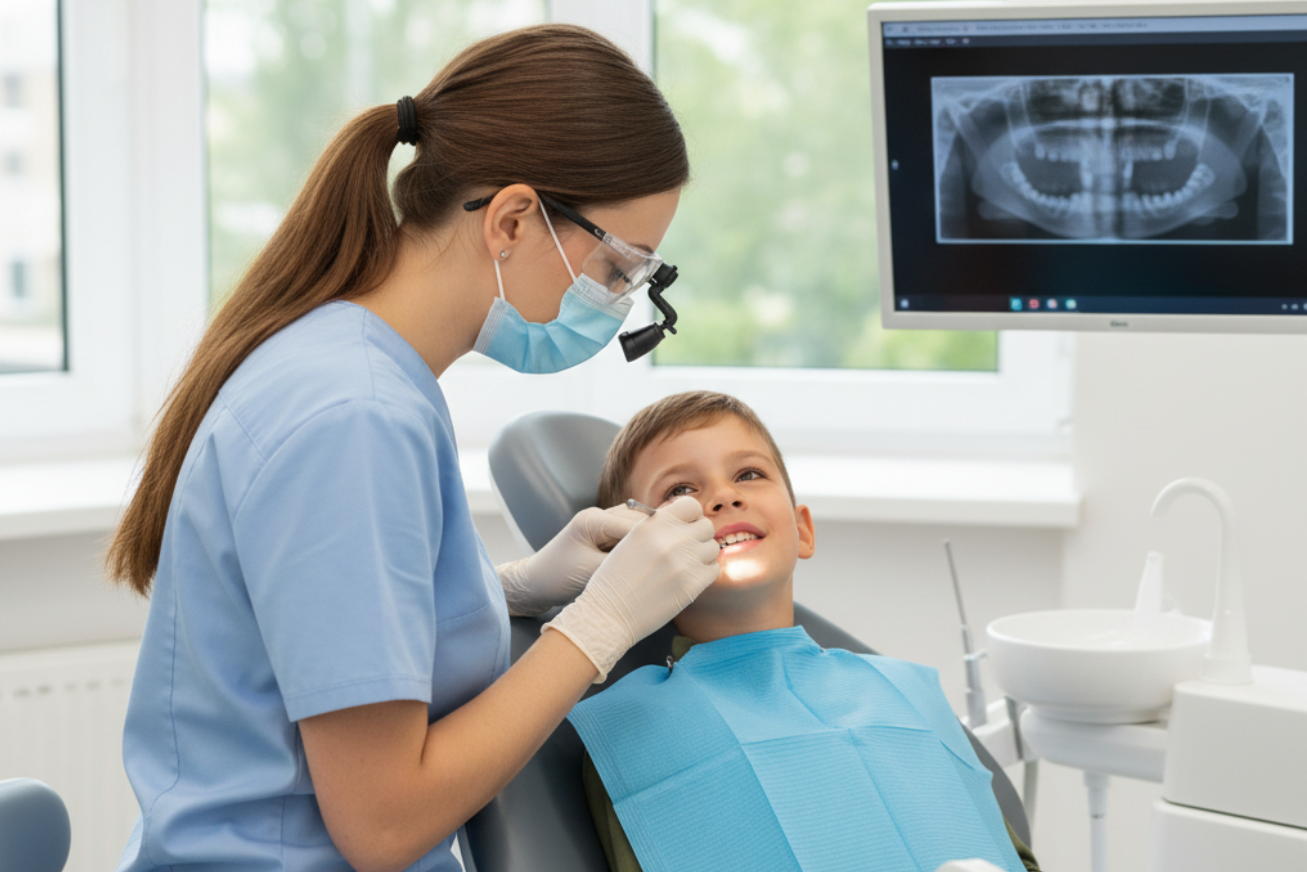
The Canadian Dental Association recommends that children visit the dentist within six months of their first tooth appearing or by their first birthday. Regular dental visits every six months allow for early detection of decay, professional cleanings to remove plaque and tartar, fluoride treatments to strengthen enamel, dental sealants to protect vulnerable molars, and education on proper oral hygiene techniques.
At FR Dentistry, the child-friendly team creates positive dental experiences that help children feel comfortable and excited about oral health. Early and consistent dental visits establish a dental home where your child receives continuity of care and builds trusting relationships with dental providers.
Utilize Fluoride for Stronger Teeth
Fluoride strengthens tooth enamel and helps prevent cavities by making teeth more resistant to acid attacks. Children receive fluoride through fluoridated tap water when available, fluoride toothpaste used during brushing, and professional fluoride treatments applied during dental visits.
Drinking fluoridated tap water provides systemic fluoride that benefits developing teeth. If your water supply is not fluoridated or if your child primarily drinks bottled water, discuss fluoride supplements with your dentist to verify adequate fluoride exposure for cavity prevention.
Professional fluoride treatments applied during dental visits provide concentrated topical fluoride that strengthens enamel. These treatments are quick, painless, and highly effective at reducing decay risk, particularly for children at higher cavity risk.
Consider Dental Sealants
Dental sealants are thin, protective coatings applied to the chewing surfaces of back teeth where most childhood cavities occur. The deep grooves and pits in molars are difficult for children to clean thoroughly with brushing alone, making them vulnerable to decay.
Sealants create smooth surfaces that prevent food and bacteria from settling into these crevices. The application process is quick, painless, and non-invasive. Sealants can last several years and significantly reduce cavity risk in permanent molars.
Dentists typically recommend sealants when children’s permanent molars erupt, usually around ages six and twelve, though primary molars can also be sealed if they have deep grooves and the child is at high cavity risk.
Discourage Prolonged Pacifier Use and Thumb-Sucking
While pacifiers and thumb-sucking provide comfort for infants and toddlers, prolonged use beyond age three or four can affect tooth alignment and jaw development. These habits can push front teeth forward or cause bite problems that may require orthodontic treatment later.
Gradually wean children from pacifiers by age two to three, and gently discourage thumb-sucking as children approach preschool age. If habits persist beyond age four or five, consult your dentist for strategies and potential interventions to help your child stop before permanent teeth begin erupting.
Educate Children About Oral Health
Teaching children why oral health matters helps them develop intrinsic motivation for good habits rather than just following rules. Explain in age-appropriate terms how brushing removes “sugar bugs” that try to make holes in teeth, how healthy teeth help them eat favorite foods and speak clearly, and how taking care of teeth now means fewer problems and discomfort later.
Make oral health education fun through books about visiting the dentist, educational videos or apps about brushing and oral care, pretend play with toy dental tools, and positive reinforcement for demonstrating good habits.
Lead by Example
Children learn by observing their parents and caregivers. Brush and floss your own teeth alongside your children, demonstrating proper technique and duration. Show enthusiasm about dental care and dental visits, avoiding negative comments about dentists or dental procedures, even when discussing your own experiences.
Make oral health a family priority by scheduling family dental check-ups together when possible and creating a household culture that values healthy habits. When children see parents taking oral health seriously, they’re more likely to adopt similar attitudes.
Address Dental Anxiety Early
Some children develop fear or anxiety about dental visits despite parents’ best efforts. Address this proactively by talking positively about dental appointments without using scary language, reading children’s books about visiting the dentist to familiarize them with what to expect, never using dental visits as threats or punishments, and choosing a pediatric-friendly dental practice with experience managing anxious children.
Never dismiss or minimize your child’s fears. Acknowledge their feelings while providing reassurance and support. Dental teams experienced in pediatric care use gentle techniques, child-friendly language, and patience to help anxious children feel safe and comfortable.
Recognize Signs of Tooth Decay
Early detection allows for less invasive treatment. Watch for warning signs including white or brown spots on teeth, visible holes or pits in teeth, tooth sensitivity to hot, cold, or sweet foods, pain when chewing, swelling or redness in gums, and bad breath that doesn’t improve with brushing.
If you notice any of these signs, contact your dentist promptly. Early-stage decay can often be reversed or treated with minimal intervention, while advanced decay may require more extensive procedures.
Maintain Consistency Through Life Transitions
Major life changes like starting school, welcoming a new sibling, or moving to a new home can disrupt routines. Maintain consistency with oral care habits during these transitions to prevent lapses that could lead to decay.
Keep dental appointments on schedule even during busy periods, and continue reinforcing the importance of daily brushing and flossing regardless of other changes happening in your child’s life. Consistency provides stability and ensures oral health doesn’t get neglected during transitional times.
Frequently Asked Questions
Q: At what age should my child start using fluoride toothpaste?
Children can begin using fluoride toothpaste as soon as their first tooth appears, typically around six months of age. Use only a rice-grain-sized smear of fluoride toothpaste for children under three years old, then increase to a pea-sized amount once they turn three. Always supervise brushing to verify children spit out toothpaste rather than swallowing it. The small amounts recommended are safe and effective for cavity prevention.
Q: How can I tell if my child has a cavity?
Common signs include white or brown spots on teeth, visible holes or pits, tooth sensitivity to temperature or sweet foods, pain when chewing, swelling in gums, and persistent bad breath. However, early cavities may not show obvious symptoms, which is why regular dental check-ups are so important. Dentists can detect decay in early stages before it causes pain or visible damage.
Q: Are dental sealants safe for children?
Yes, dental sealants are completely safe and have been used successfully for decades. They’re made from dental resin materials that have been thoroughly tested and approved for use in children’s mouths. Sealants significantly reduce cavity risk in children’s molars and can prevent the need for fillings. The application process is quick, painless, and non-invasive, making it an excellent preventive measure.
Q: Should I be concerned if my child grinds their teeth at night?
Teeth grinding, called bruxism, is relatively common in children and often resolves on its own as they grow. However, severe or persistent grinding can wear down teeth and cause jaw pain. If you notice your child grinding teeth regularly, discuss it with your dentist. They can assess whether a nightguard is needed to protect teeth from excessive wear and prevent potential damage.
Q: What should I do if my child refuses to brush their teeth?
Try making brushing fun with colorful toothbrushes, flavored toothpaste designed for children, songs or videos during brushing time, and brushing alongside your child to model the behavior. Offer choices, such as which toothbrush to use or whether to brush before or after a story. Stay patient and consistent, as power struggles often make resistance worse. If problems persist, discuss strategies with your dentist, who may have additional suggestions or can demonstrate brushing during appointments to help motivate your child.
Conclusion
Preventing tooth decay in children requires commitment, consistency, and partnership between parents and dental professionals. By establishing early oral care habits, maintaining healthy dietary choices, scheduling regular dental visits, and creating positive associations with dental health, you give your child the foundation for a lifetime of healthy smiles. FR Dentistry in Don Mills stands ready to support families in their journey toward optimal pediatric oral health, providing expert care in a welcoming environment where children feel valued and comfortable. Located at 1396 Don Mills Road, M3B 0A7, FR Dentistry welcomes families seeking comprehensive pediatric dental services. For appointments or questions about preventing tooth decay in your child, contact FR Dentistry at info@frdentistry.com or call 647-691-0065 to invest in your child’s dental health today.