
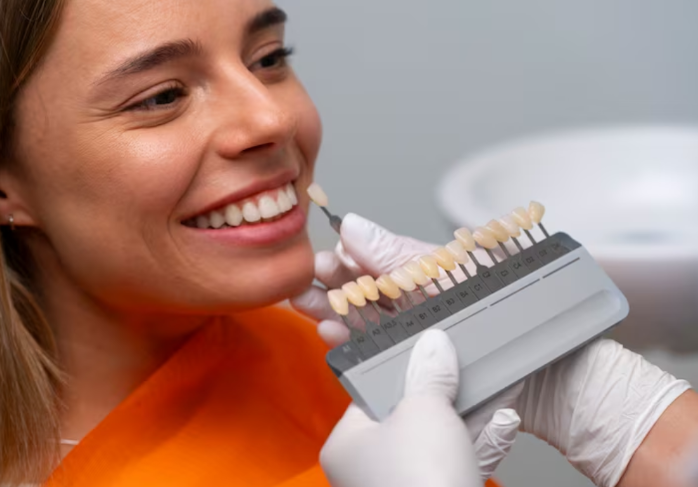
Veneers and dental crowns are both tooth restorations made from high-quality ceramic materials, but they serve different purposes and require different levels of tooth preparation. Veneers are thin shells that cover only the front surface of a tooth for cosmetic improvement, while crowns encase the entire visible tooth and are used when structural protection is needed. Understanding which option is appropriate for your situation depends on the condition of your teeth and your goals. To get expert guidance, visiting a reputable Dental Clinic in Don Mills allows a qualified professional to assess your teeth and recommend the most appropriate treatment.
Many patients come to a consultation unsure whether they need a veneer or a crown, and the answer often depends on factors they have not previously considered, such as the amount of natural tooth structure remaining, the presence of existing fillings, bite forces, and whether the concern is primarily cosmetic or functional. Accessing quality Dental Care in Don Mills, FR Dentistry provides thorough assessments that clarify exactly which restoration makes sense for each specific tooth and patient situation.
What Are Dental Veneers?
A dental veneer is a thin shell, typically made of porcelain or composite resin, that is bonded to the front-facing surface of a tooth. It is primarily a cosmetic restoration designed to improve the appearance of teeth that are discolored, chipped, slightly misaligned, or uneven in size or shape. Because veneers only cover the front surface, they require minimal removal of tooth enamel, typically 0.3 to 0.7 millimeters, making them one of the more conservative cosmetic options available.
What Are Dental Crowns?
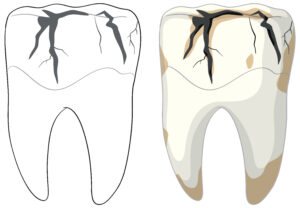
A dental crown is a full-coverage restoration that caps the entire visible portion of a tooth above the gumline. Crowns are used when a tooth has been weakened by decay, fracture, root canal treatment, or large existing fillings that leave insufficient natural structure to function safely without protection. Because the crown surrounds the tooth entirely, it requires significant reduction of the tooth on all sides, typically one to two millimeters per surface.
Key Differences at a Glance
Tooth Coverage
A veneer covers only the labial (front-facing) surface of a tooth. A crown covers all surfaces: front, back, sides, and biting edge. This distinction drives most of the other differences between the two restorations.
Tooth Preparation
Veneer preparation is conservative, removing only a thin layer of enamel from the front of the tooth. Crown preparation is far more extensive, requiring reduction of the entire tooth on all sides. This means that getting a crown is a more permanent commitment to that tooth than getting a veneer.
Primary Purpose
Veneers are primarily cosmetic. They are chosen when the underlying tooth structure is healthy and intact but the appearance needs improvement. Crowns are primarily restorative. They are chosen when the tooth’s structural integrity is compromised and needs full encasement to prevent fracture or further damage.
Material Options
Both veneers and crowns can be made from porcelain or zirconia, both of which produce highly aesthetic results. Crowns may also be made from metal or porcelain-fused-to-metal in situations where extreme durability is required, such as for back molars under high bite pressure. Veneers are rarely made from metal due to their purely cosmetic intent.
Longevity
Both restorations are durable. Porcelain veneers typically last 10 to 20 years. Dental crowns, particularly zirconia or full porcelain crowns, often last 15 to 25 years. Both can be extended further with proper care and regular dental monitoring.
Both restorations have their place in modern dentistry and can produce beautifully natural-looking results. Choosing between them is not simply a matter of preference; it is a clinical decision based on tooth anatomy and function. A knowledgeable Dentist in Don Mills will explain the reasoning behind any recommendation transparently so you can make a fully informed decision about your treatment.
For those specifically interested in cosmetic smile enhancement, the page for Dental Veneers in Don Mills provides a comprehensive overview of the veneer treatment process, materials used, and what patients can expect at each stage.
When a Veneer Is the Right Choice
• The tooth is structurally sound with no significant decay or large fillings.
• The primary concern is cosmetic: color, shape, minor chips, or slight misalignment.
• The patient wants a conservative treatment that preserves as much natural tooth structure as possible.
• The affected tooth is a front tooth where aesthetics are the priority over extreme durability.
• Teeth whitening has not achieved the desired shade change.
When a Crown Is the Right Choice
• The tooth has significant decay that has been removed, leaving insufficient natural structure.
• The tooth has undergone root canal treatment, which weakens it and makes it prone to fracture.
• The tooth is cracked or fractured in a way that a veneer cannot adequately protect.
• Large existing fillings have been replaced or expanded to the point where the remaining tooth walls are thin.
• The tooth is a molar that bears significant bite forces and requires full structural encasement.
The Veneer Process: Step by Step
1. Consultation and smile planning: Goals are established, shade selected, and teeth assessed for suitability.
2. Minimal enamel preparation: A thin layer is removed from the front surface under local anesthesia.
3. Impressions or digital scanning: Sent to a ceramic lab for custom fabrication.
4. Temporary veneers placed while permanent ones are made.
5. Try-in appointment: Fit, shade, and shape confirmed before bonding.
6. Permanent bonding with high-strength dental adhesive and light curing.
7. Bite check and final adjustments.
The Crown Process: Step by Step
1. Clinical assessment: X-rays and examination confirm the need for a crown and assess root health.
2. Tooth preparation: The tooth is shaped on all sides under local anesthesia to create space for the crown.
3. Impressions taken and sent to the lab for fabrication.
4. Temporary crown placed to protect the prepared tooth.
5. Crown delivery: The final crown is checked for fit and bite before permanent cementation.
6. Long-term monitoring at regular checkup appointments.
Maintenance and Prevention Tips for Both
• Brush twice daily with a soft-bristled toothbrush and non-abrasive toothpaste.
• Floss or use interdental tools around the margins of both crowns and veneers to prevent gum disease.
• Wear a night guard if you grind your teeth, regardless of which restoration you have.
• Avoid biting directly on very hard items such as ice or hard candies.
• Attend regular checkups so your dentist can assess the margins, surface, and surrounding tissue of your restoration.
Common Patient Mistakes When Choosing Between Veneers and Crowns
• Requesting veneers on a tooth that actually requires a crown for structural reasons, leading to restoration failure.
• Choosing a crown when a veneer would preserve more natural tooth structure and achieve the same aesthetic outcome.
• Not asking their dentist to explain why one option is recommended over the other.
• Selecting a material based only on cost rather than on the functional demands of the tooth.
• Neglecting night guard use and fracturing a porcelain restoration prematurely.
Frequently Asked Questions
Q1. Can a crown look as natural as a veneer?
Yes. Modern zirconia and full-porcelain crowns are highly aesthetic and can be virtually indistinguishable from natural teeth. The key is working with a dental lab that specializes in creating lifelike ceramic restorations and a dentist who prioritizes natural-looking results.
Q2. Is it possible to get a veneer on a tooth that previously had a crown?
No. Once a tooth has been prepared for a crown, the amount of reduction means that a veneer would not provide adequate coverage or bonding surface. Replacing a crown requires another crown.
Q3. How do I care for a crown differently from a veneer?
The daily care routine is essentially the same for both: brushing, flossing, and regular checkups. The key difference is that crowns cover the entire tooth, so extra attention to cleaning along the gumline where the crown margin meets the tooth is important to prevent decay at that junction.
Q4. Can veneers replace crowns for back teeth?
Veneers are generally not suitable for molars and premolars because these teeth endure significant bite pressure. The thin porcelain of a veneer is more prone to fracture under heavy chewing forces. Crowns are the standard restoration for back teeth that require full coverage.
Q5. What happens if a veneer or crown breaks?
Minor chips can sometimes be repaired with composite resin. More significant fractures typically require replacement of the restoration. Contact your dental clinic promptly if you notice any crack, looseness, or change in how the restoration feels when biting.
Conclusion
Veneers and crowns are both excellent dental restorations that serve distinct clinical purposes. Veneers are the conservative choice for cosmetic improvement of healthy teeth, while crowns provide full structural protection for teeth that are weakened or significantly damaged. Choosing correctly between them requires a clinical assessment by a qualified dental professional who understands both your aesthetic goals and the functional demands your teeth face every day. FR Dentistry, at 1396 Don Mills Rd. Unit B 112, North York, ON M3B 0A7, is one of the best dental clinics in Don Mills for both cosmetic and restorative care. Contact FR Dentistry at +1 (647) 691-0065 or info@frdentistry.com to schedule a consultation where veneers, crowns, and all your other options can be discussed in detail.