
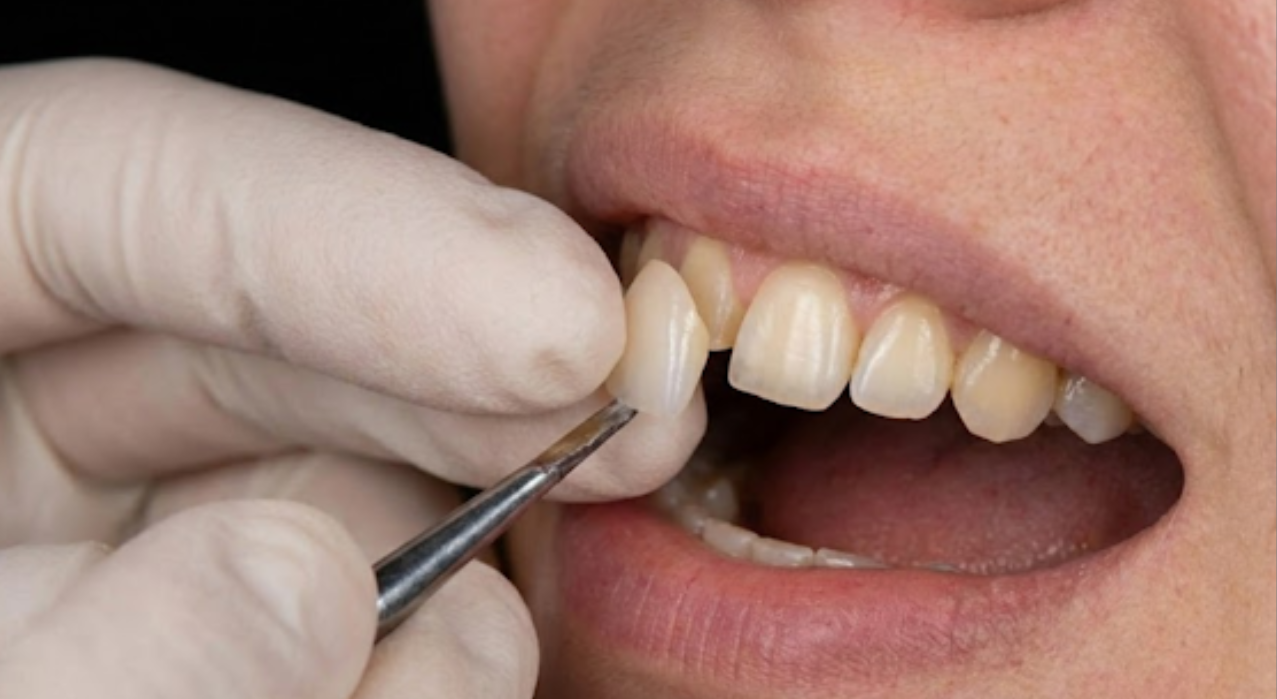
Yes, you can get veneers with bad teeth in many situations, but the answer depends entirely on the type and severity of the dental problems you have. Veneers are thin porcelain or composite shells bonded to the front surfaces of teeth, primarily to improve their appearance. Many patients who visit a trusted Dental Clinic in Don Mills discover that their dental concerns, including mild discoloration, small chips, slight gaps, and minor misalignment, are exactly the kinds of problems veneers are designed to address effectively.
That said, veneers are a cosmetic solution, not a structural one. If the underlying tooth is severely decayed, cracked below the gumline, or affected by active gum disease, those conditions must be treated before veneers are considered. Understanding the difference between what veneers can and cannot fix saves patients significant time and prevents poor outcomes. For comprehensive evaluations and honest guidance about whether veneers are right for your specific situation, FR Dentistry offers thorough consultations as part of their commitment to excellent Dental Care in Don Mills at 1396 Don Mills Rd. unit b 112, North York, ON M3B 0A7.
What Dental Problems Can Veneers Fix?
Dental veneers are one of the most versatile cosmetic tools available in modern dentistry. They address a wide range of aesthetic issues without requiring the removal of significant tooth structure. Here is what they can reliably correct:
- Permanent staining that does not respond to whitening, including tetracycline discoloration and fluorosis
- Chipped or mildly fractured front teeth where the structural integrity of the tooth is still intact
- Slight gaps between teeth that do not require full orthodontic treatment
- Mildly crooked or rotated teeth where the patient prefers veneers over braces
- Teeth that are smaller than normal or uneven in size
- Worn-down enamel that has given teeth a flat or shortened appearance
Cosmetic vs. Structural Problems
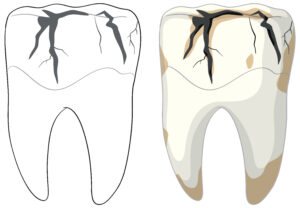
The key distinction to understand is that veneers work beautifully on cosmetic problems but are not appropriate as a solution to structural or health problems. A tooth with a deep crack extending below the gumline, severe decay reaching the pulp, or surrounding gum disease requires treatment of those conditions first. Applying veneers over untreated dental disease is like painting over a damaged wall without repairing it. The underlying problem continues to worsen while the veneer masks the visible signs.
Who Is a Good Candidate for Veneers?
Good veneer candidates share a few common characteristics. They have generally healthy teeth and gums with only aesthetic concerns remaining. Their enamel is thick enough to support the bonding process because the dentist removes a thin layer of enamel to seat the veneer flush with surrounding teeth. They do not have habits that significantly stress the front teeth, such as severe bruxism, nail biting, or biting hard objects. Consulting with an experienced Dentist in Don Mills is the only reliable way to determine your candidacy with accuracy. A full clinical examination, including X-rays, gum assessment, and bite analysis, reveals whether the teeth and supporting structures are suitable for veneers.
Conditions That Need Treatment Before Veneers
The following conditions must be addressed and stabilized before veneer treatment begins:
- Active tooth decay, which must be filled and the tooth restored to health first
- Gum disease in any form, which must be treated and the gum tissue stabilized
- Root canal infection, which must be resolved before cosmetic work is placed
- Severe bruxism (teeth grinding), for which a night guard must be provided first to prevent veneer damage
- Insufficient enamel, which may make veneers impossible to bond reliably
- Severely misaligned bites that require orthodontic correction before veneers make clinical sense
The Veneer Process at FR Dentistry
Getting veneers is a multi-step process that typically takes two to three appointments. FR Dentistry is one of the best dental clinics in Don Mills and guides patients through each stage clearly so they know exactly what to expect before, during, and after treatment.
- Consultation and examination: The dental team reviews your oral health, discusses your aesthetic goals, and determines whether veneers are appropriate. Photographs and X-rays are taken.
- Tooth preparation: A thin layer of enamel, typically about half a millimetre, is removed from the front surface of each tooth receiving a veneer. This is permanent and makes the tooth permanently dependent on the veneer.
- Impressions: A precise mould of the prepared teeth is taken and sent to a dental laboratory where your custom veneers are crafted. Temporary veneers may be placed while you wait.
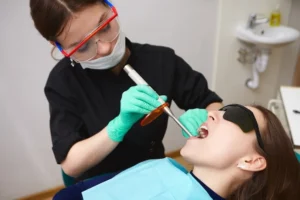
- Bonding: When the permanent veneers return from the lab, they are checked for fit and colour before being permanently bonded to the tooth surface with a strong dental cement and cured with a special light.
- Follow-up: A review appointment confirms proper bite function, comfort, and that the gum tissue has responded well to the new restorations.
Types of Veneers Available
There are two main categories of veneers available to patients in Don Mills. Understanding the differences helps patients make an informed choice about what suits their needs and expectations. FR Dentistry’s dedicated Dental Veneers in Don Mills service page outlines the full range of options in detail, but here is a practical overview:
Porcelain Veneers
Porcelain veneers are the gold standard in cosmetic dentistry. They are crafted in a dental laboratory from high-quality ceramic material that closely mimics the translucency and light-reflecting properties of natural tooth enamel. Porcelain veneers resist staining better than composite and are extremely durable, typically lasting 10 to 15 years with proper care. They require two appointments because the laboratory work takes time, but the results are consistently natural-looking and long-lasting.
Composite Resin Veneers
Composite veneers are applied directly to the tooth surface by the dentist in a single appointment, making them faster and generally more affordable than porcelain. The dentist sculpts the composite material onto the prepared tooth, building up the desired shape and shade. They are a good option for patients with less severe aesthetic concerns or those who prefer a reversible option. Composite veneers are more prone to staining over time and may need replacement sooner than porcelain, but they are easier and less expensive to repair.
How to Care for Your Veneers
Veneers require the same consistent care you would give natural teeth, with a few additional precautions to protect the restoration and extend its lifespan.
- Brush twice daily with a non-abrasive fluoride toothpaste and a soft-bristled brush
- Floss daily between all teeth, including around the veneer margins
- Avoid biting hard objects such as ice, hard candy, or pen caps with the veneered teeth
- Wear a night guard if you grind your teeth, as grinding puts significant stress on veneers
- Limit consumption of heavily staining substances such as red wine, coffee, and tea to maintain brightness
- Attend professional cleanings twice yearly to keep the gum tissue around the veneers healthy
Common Mistakes Patients Make With Veneers
- Skipping the consultation and assuming they are automatically a candidate without a clinical assessment
- Getting veneers placed over untreated decay or gum disease, which leads to premature failure
- Choosing the wrong shade, selecting teeth that appear unnaturally white rather than matching the patient’s complexion
- Neglecting night guard use when bruxism is present, resulting in veneer fracture
- Using abrasive toothpastes that dull the surface of composite veneers over time
Frequently Asked Questions
Can I get veneers if I have crooked teeth?
Yes, veneers can mask mild to moderate crookedness by reshaping how the teeth appear from the front. However, for significant misalignment or bite problems, orthodontic treatment is usually recommended first. Your dentist will assess whether veneers alone can achieve your desired outcome or whether a combined approach is more appropriate.
Do veneers damage the underlying tooth?
The preparation process permanently removes a small amount of enamel, which means the tooth will always need to be covered. However, when veneers are properly bonded, the prepared tooth is protected. The process does not damage the inner tooth structure, and the bonded veneer is generally strong and durable.
How long do veneers last?
Porcelain veneers typically last 10 to 15 years with proper care. Composite veneers may need replacement or touch-ups in five to seven years. Factors that affect longevity include oral hygiene habits, diet, the presence of bruxism, and the quality of the original placement.
Can veneers fall off?
Properly placed veneers bond very securely to the tooth surface and rarely fall off with normal use. However, biting very hard objects, trauma to the face, or severe grinding can dislodge them. If a veneer does come off, it can usually be rebonded. Contact your dental clinic promptly so the tooth is not left unprotected.
Can veneers be whitened if they become stained?
Veneers cannot be whitened with bleaching agents the way natural enamel can. Porcelain veneers are highly stain-resistant and typically maintain their shade for many years. Composite veneers can discolor over time and may need polishing or replacement to restore their original appearance. Discuss realistic expectations about long-term shade stability with your dental team before choosing a material.
Conclusion
Veneers are a highly effective cosmetic solution for a wide range of dental concerns, and many patients with imperfect teeth are excellent candidates. The key is ensuring that underlying dental health is addressed before cosmetic work begins. FR Dentistry is one of the best dental clinics in Don Mills, providing thorough assessments and expertly crafted veneer solutions for patients across North York. To find out whether veneers are the right choice for your smile, contact the team at info@frdentistry.com or call (647) 691-0065 today.