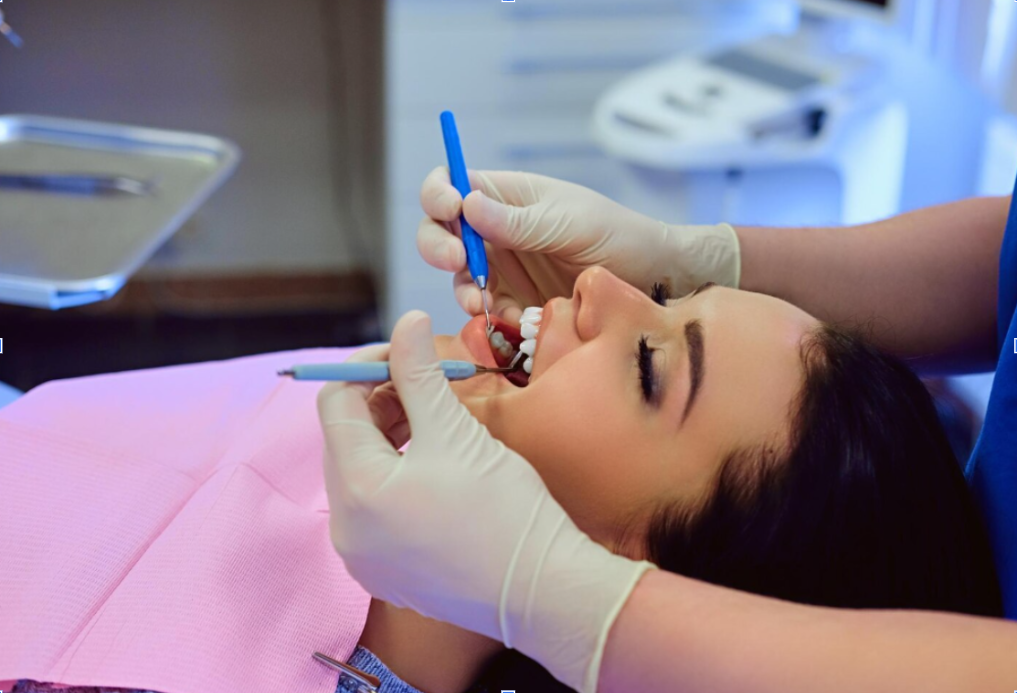
After oral surgery, you should eat soft, cool or lukewarm foods that require little to no chewing and do not irritate the surgical site. The right diet in the days following a procedure such as tooth extraction, wisdom tooth removal, dental implant placement, or bone grafting directly supports tissue healing and reduces the risk of complications like infection or dry socket. Patients who have recently had a procedure at a trusted Dental Clinic in Don Mills will find that following dietary guidance closely is one of the simplest and most effective things they can do to support a smooth and comfortable recovery.
Many patients are surprised by how much their food choices affect the pace and quality of their healing. Eating the wrong foods can dislodge blood clots, introduce bacteria into open wounds, delay tissue repair, and cause unnecessary pain at mealtimes. FR Dentistry provides every surgical patient with personalised aftercare guidance as part of their commitment to outstanding Dental Care in Don Mills at 1396 Don Mills Rd. unit b 112, North York, ON M3B 0A7. Their team is available at (647) 691-0065 or info@frdentistry.com if specific dietary questions arise.
Why Your Diet Matters After Oral Surgery
The mouth heals in a very active environment. Every time you eat, the surgical site is exposed to mechanical forces, temperature changes, bacterial activity, and chemical compounds from food. A diet that minimises these stresses gives the tissue the best possible environment to repair itself. Conversely, hard or sharp foods can reopen the wound, hot foods can dissolve the protective blood clot, and sugary foods feed the bacteria that cause infection.
Adequate nutrition also plays a direct role in recovery. The body uses protein to rebuild tissue, vitamin C to produce collagen, and zinc and vitamin A to regulate immune function. A soft diet does not have to mean a nutritionally poor one. With the right choices, patients can maintain solid nutritional intake throughout the recovery period while still protecting the surgical site.
Day One: Immediate Post-Surgery Foods
The first 24 hours after oral surgery call for the most restrictive dietary approach. The surgical site is most vulnerable during this period, and the blood clot is still establishing. Patients should follow all specific instructions provided by their Dentist in Don Mills before defaulting to the general guidelines below.
Best Foods for Day One
- Greek yogurt: high in protein, soft, cool, and easy to consume without chewing
- Applesauce: gentle, nutritious, and requires no chewing pressure
- Smoothies made without seeds or fibrous fruit pieces, consumed without a straw
- Soft scrambled eggs if tolerated, which are high in protein and easy to manage
- Mashed banana for natural sugars, potassium, and a very soft texture
- Ice cream or frozen yogurt, which provides a cooling and mildly numbing effect on the tissue
- Broth-based soups that are lukewarm, not hot, and contain no hard vegetables or noodles
What to Absolutely Avoid on Day One
- Any hot foods or drinks, including coffee and tea, which dissolve the blood clot
- Alcohol, which thins the blood and interacts with any prescribed pain medication
- Hard or crunchy foods of any kind
- Foods with small seeds or particles that can lodge in the socket
- Drinks consumed through a straw, as the suction can dislodge the clot
Days Two Through Seven: Expanding Gradually
As the initial healing progresses past the first day, patients can introduce a wider range of soft foods. The clot is more established, and most patients notice a significant reduction in pain by day three. The team at FR Dentistry is one of the best dental clinics in Don Mills, and their approach to post-surgical dietary guidance ensures patients know exactly when and how to advance their diet safely without risking the healing tissue.
Soft Foods to Introduce From Day Two
- Mashed potatoes with butter or gravy, which are filling and easy to eat without chewing
- Soft cooked oatmeal with no added nuts or large fruit pieces
- Soft cooked pasta shapes like small shells or orzo with a light sauce
- Blended or very soft soups including lentil, butternut squash, or cream of tomato
- Soft white fish like tilapia or baked salmon that flakes easily
- Tofu, which is protein-rich, very soft, and can be eaten in many preparations
- Ripe avocado, either plain or in guacamole form, which is nutrient-dense and very soft
- Hummus, which provides protein and healthy fats in a smooth, chewable form
Foods That Support Healing
Beyond softness, certain foods provide specific nutrients that actively support the healing process:
- Eggs in any soft preparation provide complete protein essential for tissue repair
- Cottage cheese and soft cheeses supply calcium and protein without requiring chewing
- Blended smoothies with banana, berries, and yogurt provide vitamins C and E alongside protein
- Soft cooked sweet potato provides beta-carotene, which supports immune function
- Salmon provides omega-3 fatty acids, which have anti-inflammatory properties that support tissue healing
Week Two and Beyond: Returning to Normal Foods
Most patients can begin reintroducing a normal diet starting around the second week, depending on the nature and extent of the procedure they underwent. The timeline is different for a simple extraction than for a dental implant placement or bone graft. FR Dentistry’s dedicated Oral Surgery in Don Mills service provides detailed aftercare timelines specific to each procedure so that patients know exactly when different types of food can be safely reintroduced.
Gradual Introduction of Normal Foods
- Week 2: Soft foods only, slightly more varied. Begin introducing soft-cooked vegetables, soft breads without crusts, and well-cooked grains.
- Week 3: Most patients can manage a normal diet, chewing on the opposite side from the surgical site.
- Week 4: For simple extractions, most dietary restrictions can be fully lifted. For implants or grafts, follow the specific timeline provided by your dental team.
- Month 2 onward: For implant patients, full dietary normalisation typically occurs once the implant has fully integrated, which is confirmed at a follow-up appointment.
Foods to Avoid Throughout Recovery
Regardless of which week of recovery you are in, certain foods remain problematic until the surgical site has fully closed and healed:
- Popcorn, whose hulls and kernels can lodge in healing sockets and cause infection
- Nuts and seeds, which are hard, sharp, and can catch in the healing tissue
- Hard raw vegetables like carrots and celery
- Sticky foods including caramel, toffee, and gummy candies that can pull at healing tissue
- Spicy foods that irritate the mucosa around the surgical site
- Alcohol throughout the course of antibiotic treatment if prescribed
Nutrition Tips for Faster Healing
Staying nourished is just as important as protecting the surgical site. Here are practical tips to maintain good nutritional status while on a restricted diet:
- Prioritise protein at every meal. Protein is the primary building block for new tissue and should be present in every recovery meal.
- Drink plenty of water. Adequate hydration keeps the mucosa moist and supports immune function. Avoid dehydrating drinks like coffee and alcohol.
- Consider a vitamin C supplement. Vitamin C is critical for collagen synthesis and plays a direct role in wound healing. Check with your dental team before adding supplements.
- Eat smaller meals more frequently if opening the mouth fully is uncomfortable. Multiple small meals maintain energy levels without requiring prolonged chewing episodes.
Frequently Asked Questions
Can I drink coffee after oral surgery?
Hot coffee should be completely avoided for at least the first 24 hours because the heat dissolves the protective blood clot in the socket. After 24 hours, lukewarm coffee that has been allowed to cool can generally be consumed without a straw. However, caffeine can raise blood pressure slightly, which may affect bleeding, so limiting intake for several days is a sensible precaution.
Can I eat ice cream after oral surgery?
Yes, ice cream is actually one of the recommended foods for the first day because it is very soft, requires no chewing, and the coldness provides a mild numbing effect that reduces discomfort. Choose plain flavours without nuts, hard pieces of chocolate, or swirls of caramel to avoid anything that could catch in the healing site.
When can I eat normally after a dental implant?
Dental implants require a longer dietary modification period than simple extractions because the implant must integrate fully with the surrounding bone before it can bear normal chewing forces. Most implant patients follow a soft food diet for the first two to six weeks after placement, then gradually return to normal foods as confirmed at their follow-up appointments. Your dental team will provide a timeline specific to your case.
What should I eat if I am hungry but the surgical site is still very sore?
Focus on high-calorie, high-protein options that require zero chewing, such as protein shakes, Greek yogurt, smoothies, and soft scrambled eggs. These foods provide adequate energy and tissue-building nutrition without placing any stress on the healing area.
Is it safe to eat on the side of the mouth that did not have surgery?
Yes. Chewing on the opposite side from the surgical site is the standard approach during recovery and is generally safe from day two or three onward. Be careful with harder foods even on the non-surgical side, as the jaw movement during chewing can create some indirect pressure on the healing area.
Conclusion
Your diet after oral surgery is a direct contributor to how quickly and comfortably you heal. Soft, nutritious, lukewarm foods in the first week protect the surgical site while keeping your body fuelled for recovery. FR Dentistry is one of the best dental clinics in Don Mills, and their team is committed to helping every surgical patient navigate recovery with confidence. Contact them at info@frdentistry.com or (647) 691-0065 for personalised post-operative guidance.