
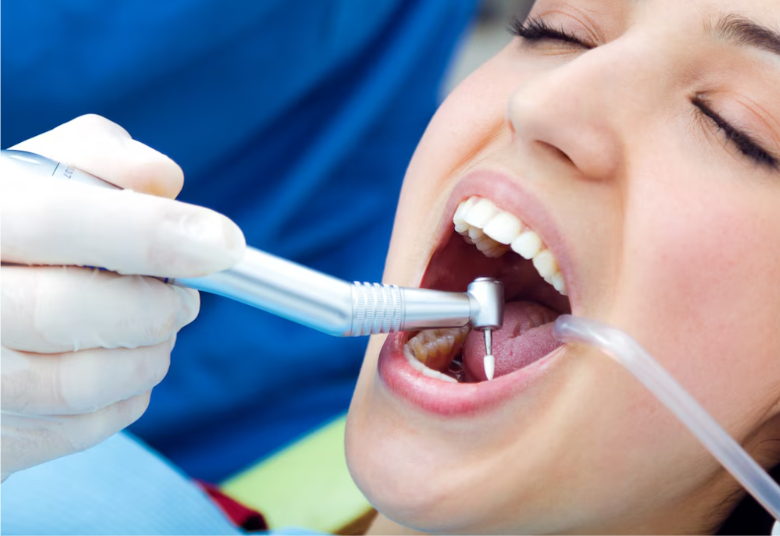
Recovering well from wisdom tooth removal comes down to following your post-operative instructions carefully, protecting the blood clot that forms in the socket, managing swelling in the first 48 hours, and eating the right foods while the tissue heals. Most patients reach a point of comfortable recovery within seven to ten days, though the complete bone healing beneath the surface takes several months. For patients who have recently had this procedure or are preparing for it at a trusted Dental Clinic in Don Mills in Don Mills, the tips in this guide are based on what dental professionals consistently recommend for the smoothest possible recovery.
Wisdom tooth extraction is one of the most common oral surgery procedures performed in dental offices across North America. The recovery process is manageable for the vast majority of patients when they know what to expect and how to respond to normal post-operative changes. FR Dentistry is one of the best dental clinics in Don Mills and provides patients with detailed aftercare instructions before they leave following surgery. Consistent access to quality Dental Care in Don Mills at 1396 Don Mills Rd. unit b 112, North York, ON M3B 0A7, means patients also have direct support if questions or concerns arise during recovery. Their phone number is (647) 691-0065.
The First 24 Hours After Wisdom Tooth Removal
The first day after surgery sets the foundation for the entire recovery. What you do and avoid in these initial hours directly affects how the healing tissue develops.
Protecting the Blood Clot
A blood clot forms in the empty socket within the first hour after extraction. This clot is not just dried blood. It is an active biological structure that protects the exposed bone beneath it and forms the scaffold on which new tissue grows. Losing this clot prematurely causes a condition called dry socket, which is significantly more painful than the normal healing process and requires additional treatment. To protect the clot, avoid rinsing, spitting, or drinking through a straw for the first 24 hours. Negative pressure in the mouth from any suction movement can dislodge the clot before it has stabilized.
Managing Bleeding
Some bleeding and blood-tinged saliva is normal on the day of surgery. If the extraction site bleeds beyond the first hour, bite firmly on a clean folded gauze pad over the area for 30 minutes without opening the mouth or checking the site. If bleeding continues after this, a moistened tea bag placed over the socket can help because tannic acid in tea promotes clotting. Contact your dental provider if heavy bleeding persists beyond two hours.
Swelling and Pain Management
Swelling is the body’s normal inflammatory response to surgery and typically peaks between 48 and 72 hours after extraction before gradually resolving. Managing swelling early significantly reduces the discomfort experienced in the days that follow. An experienced Dentist in Don Mills will prescribe or recommend appropriate pain management before you leave the office. Follow these instructions and the general guidance below for the most comfortable recovery.
Ice Application in the First 48 Hours
Apply an ice pack or a bag of frozen peas wrapped in a cloth to the outside of the face over the surgical area for 20 minutes on and 20 minutes off throughout the first two days. Ice reduces blood flow to the area, limiting the extent of swelling. After 48 hours, switching to a warm compress helps promote circulation and speed the resolution of any remaining swelling.
Pain Medication
Take prescribed or recommended pain medication before the local anaesthetic wears off so you stay ahead of discomfort rather than trying to catch up once pain has started. Non-steroidal anti-inflammatory drugs such as ibuprofen are particularly effective after oral surgery because they address both pain and inflammation simultaneously. If stronger medication has been prescribed, follow the dosage schedule exactly and do not exceed it.
Head Position
Keep your head elevated above heart level for the first night by sleeping with an extra pillow or in a slightly reclined position. Lying flat increases blood pressure in the head and face, which can intensify throbbing and prolong bleeding.
What to Eat During Wisdom Tooth Recovery
Diet is one of the most practical aspects of recovery and one that patients frequently underestimate in importance. The right food choices protect the healing socket, keep nutritional intake adequate, and reduce pain at mealtimes. The team at FR Dentistry advises all post-surgical patients on appropriate food choices before they leave the office to make the first few days of recovery as straightforward as possible.
Foods to Eat
- Yogurt, smoothies (no straw), and protein shakes for nutrition on day one
- Scrambled eggs, mashed potatoes, and soft cooked oatmeal from day two onward
- Soups with soft vegetables, avoiding noodles that require biting
- Soft fish such as baked salmon, which is easy to eat and rich in protein for healing
- Avocado, banana, and other soft fruits that require minimal chewing
- Soft tofu, hummus, and other soft protein sources that support tissue repair
Foods to Avoid
- Hard, crunchy, or sharp foods such as chips, crackers, or seeds that can enter the socket
- Hot liquids and foods for the first 24 hours, which can dissolve the blood clot
- Spicy foods that irritate the healing tissue
- Alcohol, which interferes with healing and interacts with pain medication
- Carbonated drinks, which create bubbles that can displace the clot
- Foods requiring vigorous chewing or wide opening of the jaw
Managing Complications: What Is Normal and What Needs Attention
Most patients recover without complications, but knowing what to watch for allows you to act quickly if something requires professional attention. If any unusual symptoms develop after wisdom tooth removal, contact your dental provider promptly. FR Dentistry’s expertise in endodontics and oral health means their team is equipped to assess whether what you are experiencing is within the normal range of recovery or requires intervention. Information about their Endodontic Treatment in Don Mills services is available on their website if adjacent teeth have been affected by the extraction.
Signs of Dry Socket
Dry socket develops when the blood clot is lost or fails to form properly, typically between days two and four after extraction. Signs include a sudden worsening of pain after the initial improvement, a visible empty-looking socket when you look in a mirror, and pain radiating toward the ear on the same side. Dry socket requires prompt treatment with a medicated dressing placed by your dental team and usually resolves within a few days of treatment.
Signs of Infection
While some swelling and soreness is expected, worsening pain after day three rather than gradual improvement, increasing swelling, pus or unusual discharge from the socket, fever, and difficulty swallowing or opening the mouth fully are signs that infection may be developing. Do not wait to see whether these symptoms resolve on their own. Contact your dental clinic immediately so appropriate treatment can begin.
Oral Hygiene During Recovery
Keeping the mouth clean during recovery is critical to preventing infection, but the technique must be gentle enough to avoid disturbing the healing socket.
- Do not brush the extraction site for the first 24 hours
- After 24 hours, resume gentle brushing of all other teeth while carefully avoiding the socket
- Begin gentle warm salt water rinses 24 hours after surgery, holding the liquid in your mouth and tilting your head rather than actively rinsing to avoid dislodging the clot
- Continue salt water rinses after every meal to keep food debris clear of the healing area
- If a syringe was provided for irrigation, use it only as directed, typically after day seven when the initial healing phase is complete
Week-by-Week Recovery Timeline
- Day 1 to 3: Rest, ice, soft foods, and pain management are the priorities. Swelling peaks and begins to reduce.
- Day 4 to 7: Significant improvement in swelling and pain for most patients. Soft foods continue. Gentle rinsing becomes more important.
- Week 2: Most patients feel comfortable enough to return to most normal activities and a wider range of soft foods. The gum tissue begins to close over the socket.
- Weeks 3 to 4: The gum tissue is largely healed and most activities including exercise can resume. Some minor sensitivity may persist.
- Month 3 to 6: Complete bone healing beneath the tissue surface occurs. The socket is fully integrated.
Frequently Asked Questions
When can I return to work or school after wisdom tooth removal?
Most patients with desk jobs or academic commitments can return within two to three days. Patients with physically demanding jobs or activities should wait at least five to seven days and confirm with their dental provider that recovery is progressing well before resuming strenuous activity, which elevates heart rate and blood pressure and can affect healing.
Can I brush my teeth the night of the extraction?
You can brush all teeth except the area immediately around the extraction site on the first night. Be gentle and avoid rinsing vigorously. Starting the following day, you can gently clean closer to the site but should never brush directly inside the socket until it has fully healed.
Why does the inside of my cheek look bruised?
Bruising on the cheek or neck following wisdom tooth removal is common and a normal result of the procedure and the local anaesthetic injection. It may look alarming, particularly when it appears below the jaw or on the neck, but it typically resolves within one to two weeks without treatment.
Is it normal for the socket to have a white or yellowish colour?
Yes. A white or cream-coloured film developing over the socket between days three and seven is typically healthy granulation tissue, not infection. Infection usually presents with worsening pain, increasing swelling, and pus. If you are unsure, take a clear photograph and contact your dental clinic for assessment.
When can I smoke after wisdom tooth removal?
Smoking should be avoided for a minimum of 72 hours after extraction, ideally much longer. Smoking impairs circulation, reduces oxygen delivery to healing tissue, and the suction of inhaling creates negative oral pressure that can dislodge the blood clot. Smoking is a leading cause of dry socket and significantly slows overall healing.
Conclusion
Wisdom tooth recovery is manageable and predictable when patients follow their post-operative instructions, protect the blood clot, eat appropriate foods, and maintain careful oral hygiene in the healing area. FR Dentistry is one of the best dental clinics in Don Mills, providing thorough aftercare guidance and accessible follow-up support for every patient who undergoes extraction. Reach the team by email at info@frdentistry.com or by calling (647) 691-0065 if any questions or concerns arise during your recovery.