
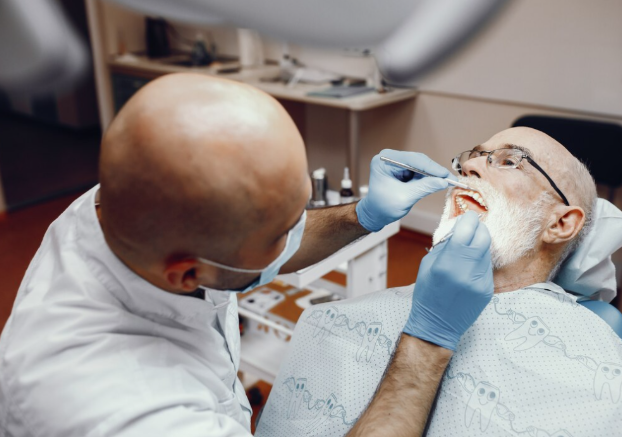
Dental implants are not as painful as most people fear. The procedure itself is performed under local anesthesia, which effectively numbs the area so you feel little to no pain during surgery. Most patients report that the discomfort in the days following placement is milder than expected and is well-controlled with over-the-counter pain medication. If you are anxious about pain and want an honest picture of what the experience involves, speaking with a professional at a trusted Dental Clinic in Don Mills will give you specific answers based on your case.
The idea that implant surgery is extremely painful is largely a myth rooted in older dental experiences. Modern techniques, better anesthetics, and improved surgical tools have made the procedure far more comfortable than it was even a decade ago. For patients seeking reassuring and compassionate Dental Care in Don Mills, FR Dentistry prioritizes patient comfort at every stage, from pre-operative consultation through post-operative recovery.
What Happens During the Implant Procedure?
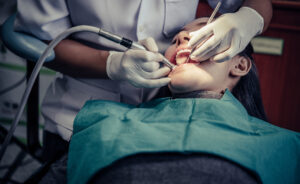
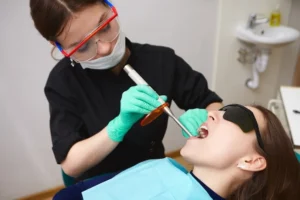
Before the procedure begins, your dentist numbs the treatment area thoroughly with a local anesthetic. The anesthetic injection itself may cause a brief moment of pressure or stinging, but the actual surgery takes place in a completely numb area. Most patients are surprised by how little sensation they feel once the anesthetic has taken effect.
The dentist makes a small incision in the gum tissue to access the bone, drills a precisely shaped channel, and carefully places the titanium post. The gum is then sutured closed around the implant. The entire surgical appointment typically lasts between 30 minutes and an hour for a single implant.
Patients often feel pressure during the drilling and placement, but this is not the same as pain. The tactile sensation of movement and vibration is normal and should not cause distress. If at any point you feel sharp pain during the procedure, you should immediately signal to your dentist so that more anesthetic can be applied.
What to Expect Immediately After Surgery
The hours following implant placement are when patients begin to feel the effects as the anesthetic wears off. Here is what typically happens in the first 24 to 48 hours:
• Mild to moderate soreness at the surgical site that responds well to ibuprofen or acetaminophen.
• Slight swelling of the cheek and gum tissue, which typically peaks around 48 to 72 hours post-surgery.
• Some bleeding or oozing from the site, which is normal for the first few hours.
• Possible bruising of the skin near the jaw, particularly in patients on blood-thinning medications.
• Sensitivity when the area is touched, or when eating on that side.
These symptoms are part of the normal healing process and are not signs of a problem. Your dentist will provide you with detailed post-operative instructions and a prescription or recommendation for appropriate pain management.
Day-by-Day Pain and Recovery Timeline
Day 1: Surgery Day
The procedure itself is painless under anesthesia. For the remainder of the day, take any prescribed medication and apply ice packs to the cheek in 20-minute intervals. Eat soft foods only and avoid hot beverages, alcohol, and smoking. Rest is important.
Days 2 to 3: Peak Swelling and Discomfort
Swelling tends to be at its worst during these days. Continue taking pain medication as directed. Switching from ice to a warm compress after 48 hours can help reduce residual swelling. Stick to soft foods like yogurt, soups, smoothies, and mashed vegetables.
Days 4 to 7: Gradual Improvement
Most patients notice a significant reduction in discomfort by day four or five. Swelling and bruising begin to subside. You may be able to reintroduce slightly firmer foods, though your dentist’s specific instructions should guide this transition.
Week 2: Near Normal
By the end of the second week, the majority of patients have returned to normal daily activities without significant discomfort. The sutures are typically removed or dissolve on their own during this period.
Months 1 to 6: Osseointegration
This phase is largely painless. The bone gradually fuses with the titanium post without any sensation. Routine dental checkups during this period confirm that integration is proceeding correctly.
Understanding exactly what happens at each stage of the procedure is one of the most effective ways to reduce dental anxiety. When patients know what to expect, they tend to experience less stress before the appointment and recover more smoothly afterward. A knowledgeable Dentist in Don Mills will walk you through each step before any treatment begins so there are no surprises.
Factors That Influence Post-Operative Pain Levels
• Bone grafting: If a bone graft is performed at the same time as implant placement, recovery is slightly longer and discomfort is more pronounced.
• Number of implants: Placing multiple implants at once increases surgical time and the extent of tissue involvement.
• Individual pain tolerance: Each patient experiences discomfort differently. Some patients require only over-the-counter medication, while others benefit from stronger prescriptions.
• Smoking: Tobacco users generally experience slower healing and more post-operative discomfort.
• Anxiety and stress levels: Patients who are highly anxious tend to perceive pain more intensely. Sedation dentistry options can significantly improve the experience for anxious patients.
Signs That Pain Is Not Normal
While some discomfort in the week following surgery is expected, certain signs indicate that something may require attention:
• Sharp, throbbing pain that does not respond to medication and persists beyond two weeks.
• Fever above 38 degrees Celsius, which may suggest infection.
• Pus or discharge from the implant site.
• The implant feeling loose or mobile at any point after placement.
• Numbness of the chin, lip, or tongue that does not resolve after the anesthetic wears off, which may indicate nerve involvement.
Any of these symptoms should prompt you to contact your dental clinic immediately. Early intervention prevents minor complications from becoming major problems.
Tips to Minimize Discomfort and Accelerate Recovery
1. Follow all post-operative instructions from your dentist precisely and completely.
2. Take pain medication before the anesthetic fully wears off rather than waiting until pain is severe.
3. Apply ice packs in 20-minute intervals for the first 24 hours to manage swelling.
4. Eat soft foods and avoid temperature extremes at the surgical site.
5. Avoid rinsing vigorously or using straws for the first 24 hours to protect the clot.
6. Do not smoke or consume alcohol during the recovery period.
6. Gently rinse with warm saltwater starting from day two to keep the area clean.
7. Sleep with your head elevated slightly to reduce overnight swelling.
Common Mistakes That Worsen Pain After Implant Surgery
• Eating hard, crunchy, or chewy foods too soon, which disturbs the healing tissue.
• Forgetting to take medication on schedule and allowing pain to escalate before addressing it.
• Probing the site with the tongue or fingers out of curiosity.
• Resuming intense physical activity too quickly, which increases blood pressure and bleeding risk.
• Skipping the follow-up appointment because symptoms seem resolved.
Sedation Options for Anxious Patients
Dental anxiety is common and should not be a barrier to receiving necessary treatment. Many clinics offer options to help anxious patients relax during the implant procedure, including nitrous oxide (laughing gas), oral sedation, and in some cases intravenous sedation for more complex cases. Discuss your anxiety level with your dental team before your appointment so they can plan the appropriate level of support.
FR Dentistry, at 1396 Don Mills Rd. Unit B 112, North York, ON M3B 0A7, is recognized as one of the best dental clinics in Don Mills for creating a calm, patient-focused environment. The team at FR Dentistry can be reached at +1 (647) 691-0065 or at info@frdentistry.com to discuss any concerns you have before your first visit.
For detailed information on the procedure and what recovery looks like, visiting the page for Dental Implants in Don Mills provides a comprehensive overview of the process, materials, and what to expect at each stage.
Frequently Asked Questions
Q1. Will I need time off work after implant surgery?
Most patients take one to three days off work depending on the nature of their job and the complexity of the procedure. Office-based workers often return after a day or two, while those in physically demanding jobs may need up to a week. Your dentist will advise based on your specific case.
Q2. Can I drive home after the procedure?
If you had only local anesthesia, you may be able to drive yourself home, though having someone else drive you is always safer. If you received sedation, you will need a responsible adult to drive you and stay with you for several hours afterward.
Q3. Is the pain worse than a tooth extraction?
Most patients report that implant placement is no more painful than a tooth extraction and in many cases is more comfortable. The precision of the surgical technique and the use of modern anesthetics keep discomfort at very manageable levels.
Q4. How long before I can eat normally again?
Soft foods are recommended for the first week. Most patients can return to a normal diet within two to three weeks, though very hard or crunchy foods should be avoided at the implant site until full integration is confirmed.
Q5. What pain medication is typically recommended after implant surgery?
For most patients, ibuprofen or acetaminophen is sufficient. Your dentist may prescribe a stronger analgesic or an antibiotic if the procedure was complex or if there is elevated infection risk. Always follow the specific medication instructions provided by your dental team.
Conclusion
Dental implant surgery is far less painful than most patients anticipate, thanks to modern anesthesia, precise surgical techniques, and effective post-operative care protocols. Discomfort in the days following the procedure is real but manageable, and the vast majority of patients are surprised by how smoothly their recovery goes. With the right preparation, clear post-operative guidance, and a skilled dental team, the implant experience is far more comfortable than the fear surrounding it suggests.